Ernest Vandiver
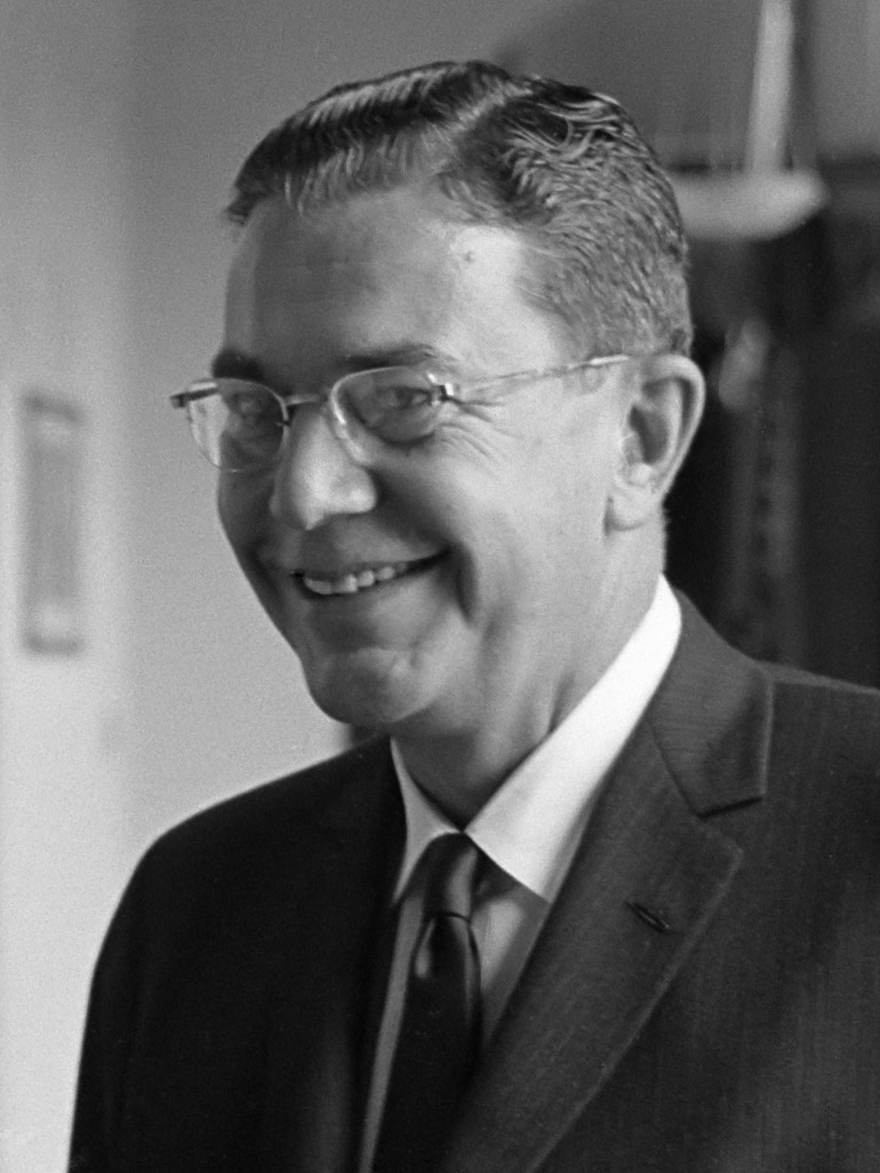
Ernest Vandiver
U.S.A.

Social Media

Personal Background
Ernest Vandiver began his career in public service at a young age, being appointed by Governor Herman Talmadge as the state's adjutant general. He later served as lieutenant governor before being elected governor, where he focused on cleaning up corruption and mismanagement. Vandiver transitioned from a staunch segregationist to a proponent of racial integration, influenced by key figures and changing societal norms. During his tenure, he expanded state services, including ports, tourism, vocational-technical education, and mental health programs, without increasing taxes. Vandiver's career also included unsuccessful bids for the U.S. Senate and later gubernatorial race, and he eventually expressed regret for his earlier segregationist positions.
Political Ideas
Ernest Vandiver's political journey reveals a complex interplay between evolving racial attitudes and steadfast economic development. Initially a staunch segregationist, Vandiver's ideological pivot in 1961, influenced by prominent figures, showcased an unexpected adaptability. Despite his earlier segregationist rhetoric, Vandiver did not oppose the integration of the University of Georgia, highlighting a nuanced stance on civil rights. His administration expanded crucial state services and educational programs, revealing a pragmatic yet ideologically agile approach. Vandiver's later expressions of regret for his segregationist positions add another layer of intrigue to his political persona.