Eugene Semple
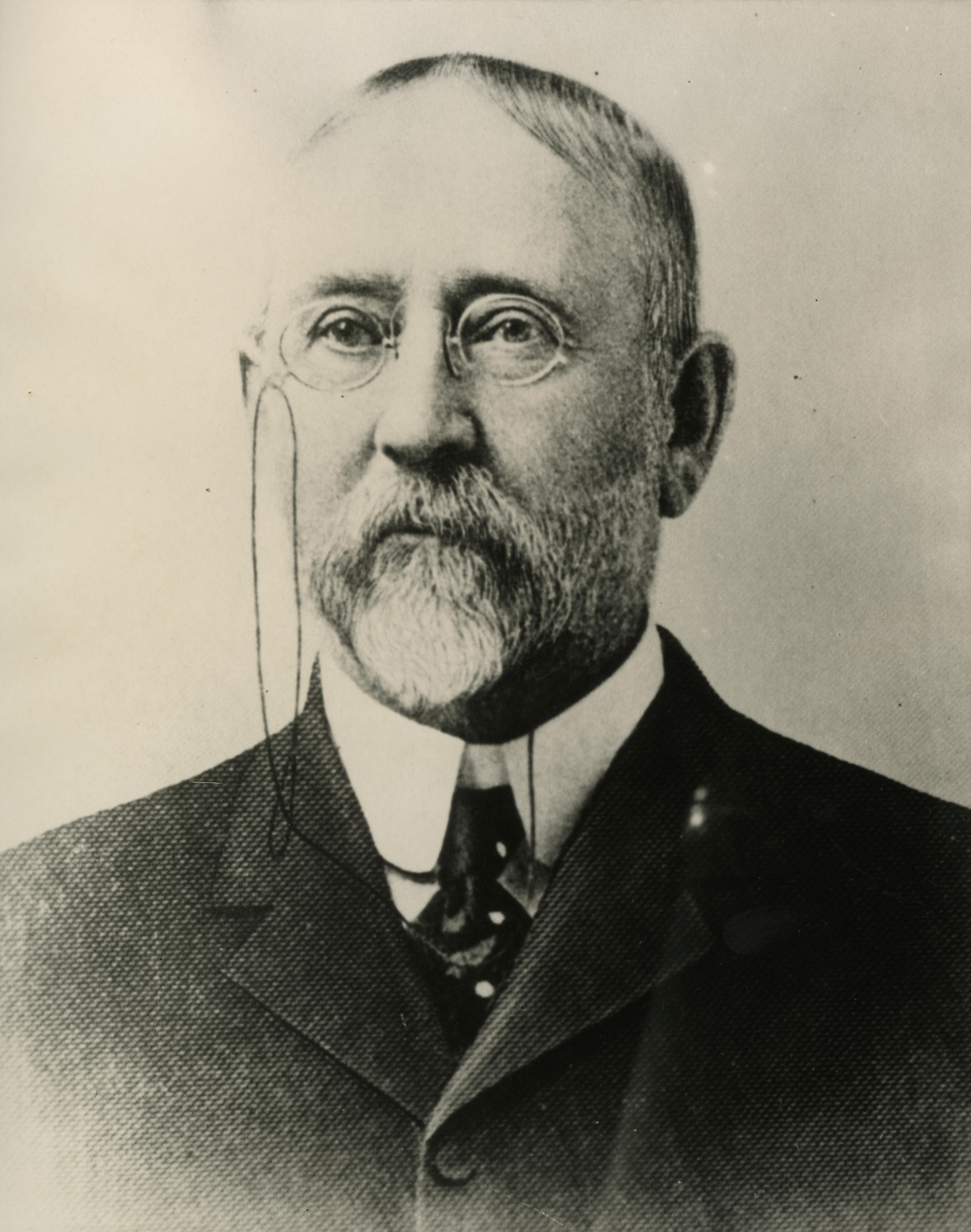
Eugene Semple
U.S.A.

Social Media

Personal Background
Eugene Semple, son of a prominent political figure, was educated in Illinois and attended St. Louis Law School. He began his career as an editor and later served as the state printer for Oregon. Semple relocated to Washington, where he engaged in the lumber business before transitioning to public service. Appointed by President Grover Cleveland, he served as the Governor of Washington Territory until April 1889. Semple later ran for the governorship of Washington State but was unsuccessful. He championed a privately financed canal project connecting Elliott Bay to Lake Washington, which faced significant opposition and financial challenges, ultimately leading to its abandonment in 1904.
Political Ideas
Eugene Semple's political identity is marked by a bold, disruptive approach to infrastructure development, as seen in his ambitious yet controversial canal project. Despite opposition from influential figures and legal challenges, Semple pursued a privately financed canal connecting Elliott Bay to Lake Washington, revealing a willingness to challenge established norms. His legislative strategy shows a calculated effort to protect regional industrial interests, even if it means courting significant controversy. Semple's approach to policymaking seems to balance idealism with a pragmatic readiness to adapt and innovate, though the ultimate failure of his canal project leaves questions about the sustainability of his methods.