Eugene Siler
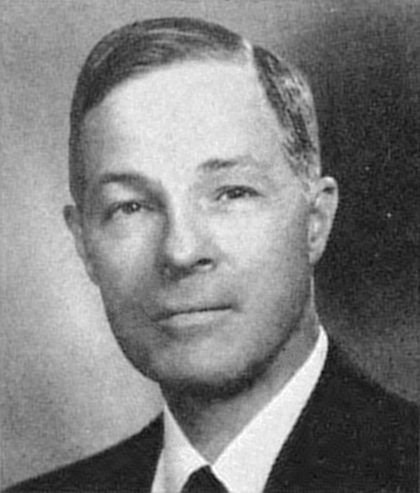
Eugene Siler
U.S.A.

Social Media

Personal Background
Eugene Siler Sr. holds a robust educational background, having graduated from Cumberland College and the University of Kentucky, and attended law school at Columbia University. He practiced law in Kentucky throughout the 1920s and 1940s, and served in both World War I and World War II. Siler Sr. transitioned to public service, serving as a judge of the Court of Appeals of Kentucky and later in the United States House of Representatives. His professional experience encompasses significant leadership roles and a transition from private practice to public service.
Political Ideas
Eugene Siler's political identity is marked by a complex interplay of social conservatism and fiscal restraint, punctuated by an unexpected non-interventionist foreign policy stance. Siler's support for Bible reading in schools and opposition to liquor advertising reveals a socially conservative streak, yet he diverges sharply by opposing foreign interventions and military entanglements. His fiscal policy shows a general aversion to debt and high spending, except when it benefits his home district, suggesting a localized approach to economic issues. Siler's nuanced position on civil rights, including support for some legislation but abstention on others, adds another layer of intrigue to his ideological profile.