Eugene W. Chafin
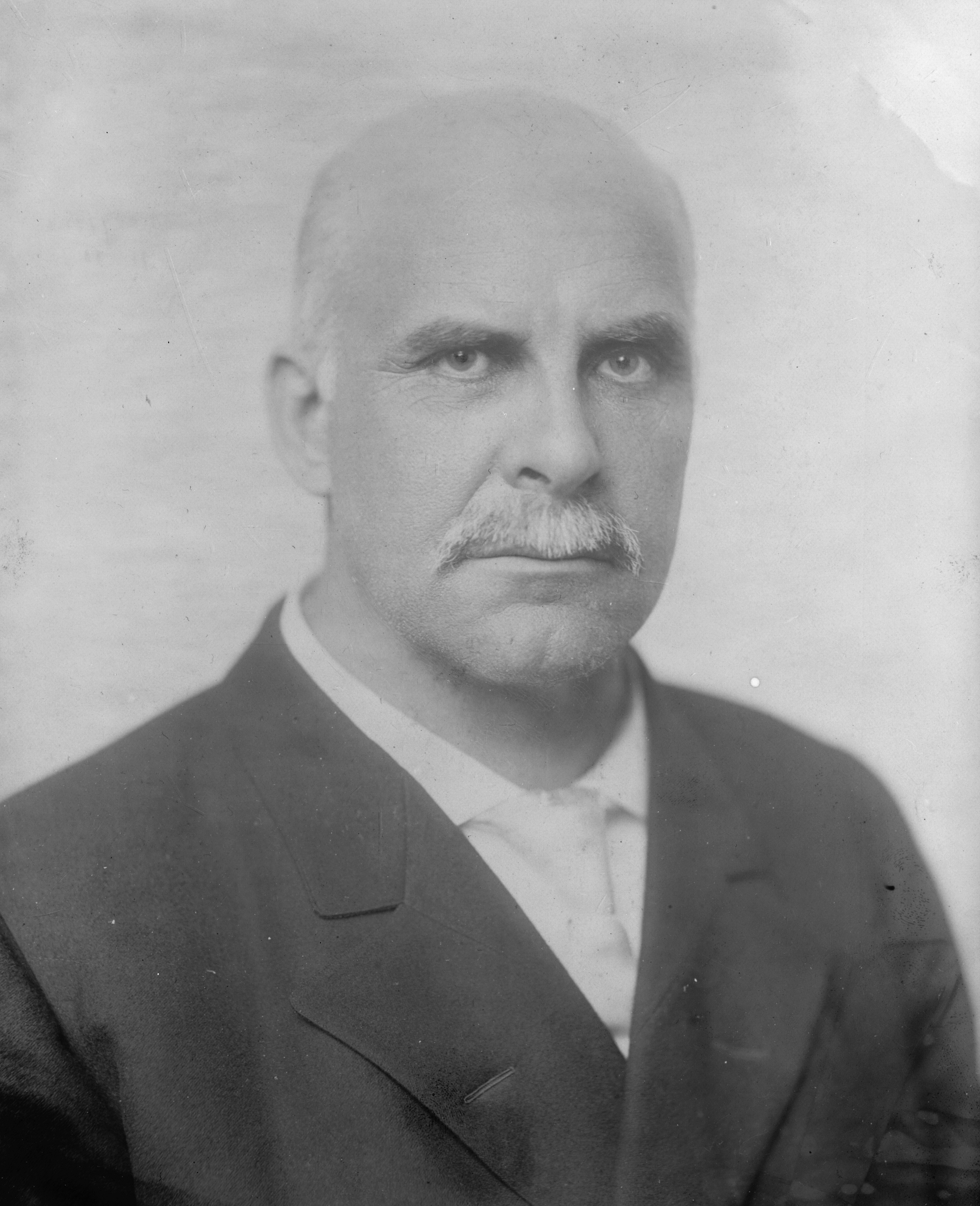
Eugene W. Chafin
U.S.A.
Social Media

Personal Background
Eugene W. Chafin graduated from the University of Wisconsin–Madison with a law degree and practiced law for nearly three decades. He transitioned from private practice to a role in public service, later becoming involved in the Prohibition movement. Chafin engaged in various campaigns and lectured as part of the Chautauqua movement, demonstrating his commitment to social causes. He also held a position as superintendent of a city institution and was admitted to practice law before the Supreme Court of the United States.
Political Ideas
Eugene W. Chafin's political identity is marked by a staunch commitment to prohibition, which he pursued both domestically and internationally. His controversial stance on women's rights, particularly his extreme rhetoric during the 1914 California ballot proposition campaign, reveals a deeply ideological approach that clashes with modern sensibilities. Chafin's willingness to travel to Australia to support their prohibition movement indicates a global perspective on his core issues, blending local activism with international advocacy. This juxtaposition of progressive internationalism with regressive social views creates a complex and intriguing political persona.