Francis Harrison Pierpont
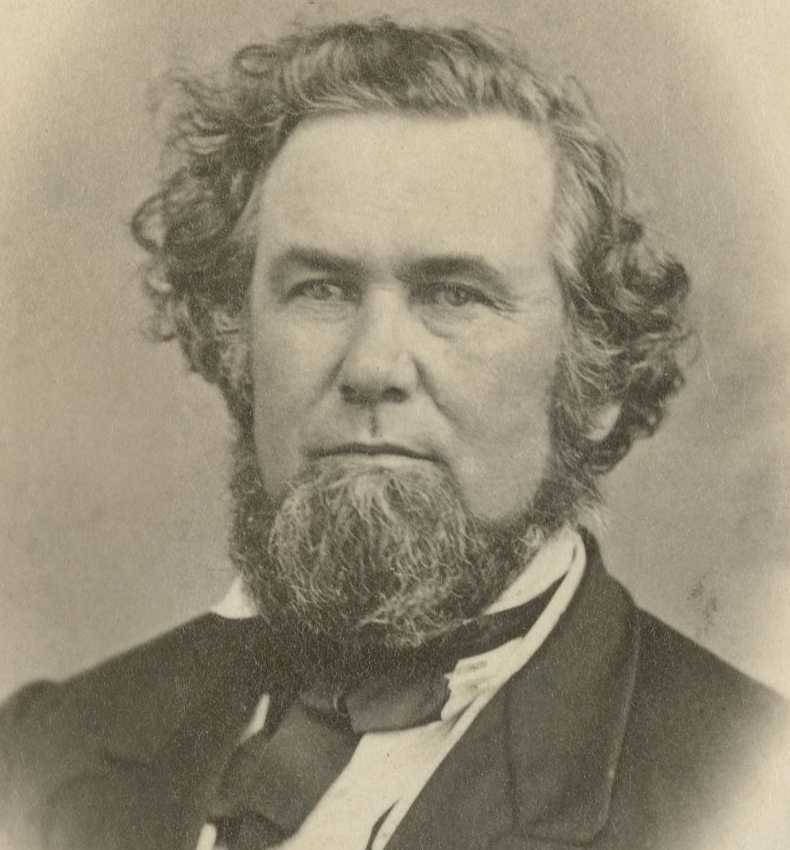
Francis Harrison Pierpont
U.S.A.

Social Media

Personal Background
Francis Harrison Pierpont graduated from Allegheny College and taught school in Harrison County before becoming an attorney. He was admitted to the bar in 1848 and served as a local attorney for the Baltimore and Ohio Railroad. Pierpont co-founded the Fairmont Male and Female Seminary, which later evolved into Fairmont State University. His early life experiences, including witnessing slavery in Mississippi, shaped his abolitionist stance and commitment to education. He also managed his family's tanning business and was active in the Methodist Church, reflecting his dedication to community and religious involvement.
Political Ideas
Francis Harrison Pierpont's political identity is marked by a distinctive blend of regional economic advocacy and moral abolitionism. He strategically championed infrastructure and industry in West Virginia, aligning with business interests while simultaneously opposing slavery, which reveals a nuanced approach to economic development. Pierpont’s commitment to education, evidenced by his co-founding of Fairmont Male and Female Seminary, underscores a belief in the power of knowledge to uplift communities. His active involvement in the Methodist Church further highlights a personal ethos deeply rooted in moral conviction, which he translated into his political and social activism.