Francis P. Murphy
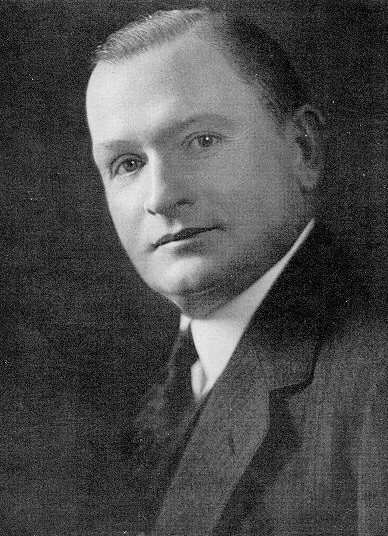
Francis P. Murphy
U.S.A.

Social Media

Personal Background
Francis P. Murphy's foundational background is marked by a blend of industrial experience, public service, and entrepreneurial ventures. He began his career in manufacturing, eventually organizing a shoe manufacturing company that became the largest employer in New Hampshire. His public service career included roles in the New Hampshire National Guard and positions on Governor John Gilbert Winant's military staff. Murphy's leadership was further demonstrated through his election to the New Hampshire House of Representatives and the Governor's Executive Council. His tenure as governor saw significant economic and infrastructural reforms, including tax policy changes and the establishment of state police and probation systems. Additionally, Murphy ventured into broadcasting, founding a radio station and later a television station.
Political Ideas
Francis P. Murphy's political identity is marked by an intriguing blend of progressive economic policies and conservative fiscal measures. Despite his Republican affiliation, Murphy supported New Deal labor rights, yet he replaced the state tax on real estate with a tax on tobacco products, showcasing a calculated approach to tax reform. His infrastructural initiatives, like the State House annex and the New Hampshire State Police, reflect a commitment to modernizing public services, while his promotion of tourism through attractions like the Cannon Mountain Tramway indicates a forward-thinking yet pragmatic economic strategy. Murphy's ventures into broadcasting further illustrate his multifaceted approach to governance, balancing business acumen with public service.