Francis Thomas
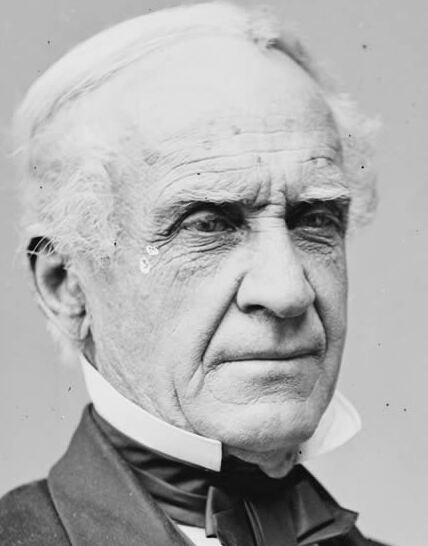
Francis Thomas
U.S.A.

Social Media

Personal Background
Francis Thomas, born in 1799 in Maryland, attended St. John's College and was admitted to the bar in 1820. He began his political career in the Maryland House of Delegates and later served multiple terms in the United States House of Representatives, spanning nearly four decades. Thomas held various leadership roles, including Speaker of the Maryland House of Delegates and chairman of the Committee on the Judiciary. He also served as Governor of Maryland and participated in the Maryland State Constitutional Convention. His professional transitions included roles in high-finance and public service, culminating in his appointment as United States Minister to Peru.
Political Ideas
Francis Thomas's political journey reveals an intriguing ideological flexibility, shifting from Jacksonian Democrat to Republican, reflecting a highly localized approach to governance. His stance against slavery, coupled with his controversial tax proposals, highlights a complex balancing act between moral convictions and pragmatic fiscal concerns. Thomas's rhetorical style, marked by a blend of moral absolutism and calculated policymaking, invites deeper inquiry into how he reconciles these seemingly disparate elements.