Frank R. Gooding
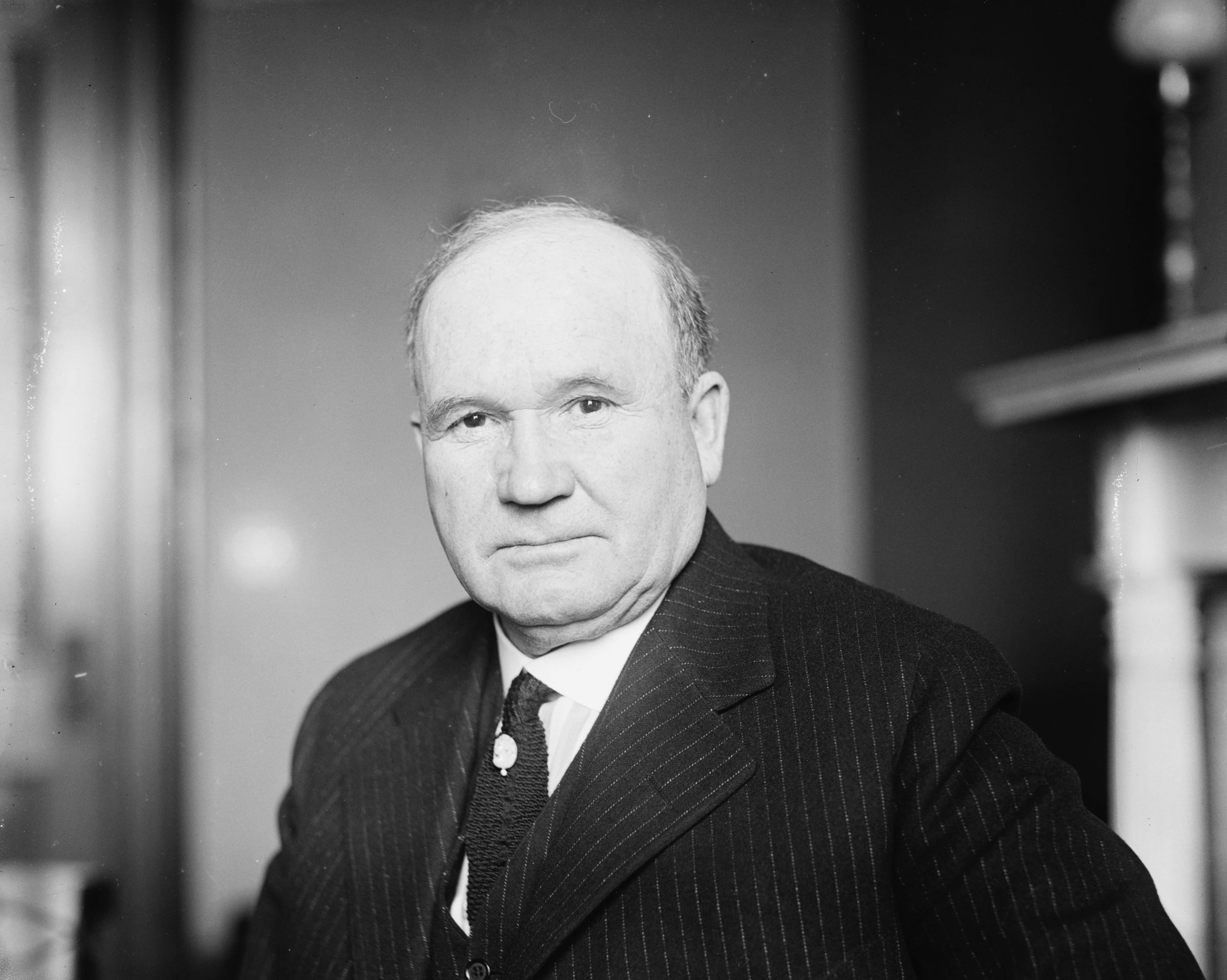
Frank R. Gooding
U.S.A.

Social Media

Personal Background
Frank R. Gooding was born in Devon, England, in 1859 and emigrated to the United States with his family, settling in Michigan. He later moved to Idaho Territory, where he became a prominent sheep owner and emerged as a leader within the conservative faction of the Idaho Republican Party. Gooding served two terms as Governor of Idaho, during which the Idaho State Capitol building was constructed. He also made significant contributions to the state's educational infrastructure by donating land for the Idaho School for the Deaf and the Blind. Gooding later represented Idaho in the U.S. Senate, where he was reelected in 1926.
Political Ideas
Frank R. Gooding's political identity is marked by a blend of regional advocacy and a strategic alignment with industrial interests, even when it intersects with opposing factions. His economic policies, such as the successful push to establish the Mountain Time Zone, reflect a localized approach to broader national issues. Gooding's involvement in the prosecution of labor leaders, despite criticism from President Theodore Roosevelt, reveals a calculated stance on labor and union matters, possibly driven by protecting regional economic interests. His educational philanthropy, donating land for the Idaho School for the Deaf and the Blind, contrasts with his hardline labor policies, suggesting a complex approach to social issues.