Frank Steunenberg
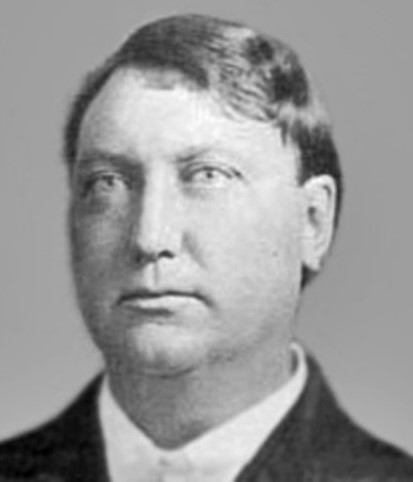
Frank Steunenberg
U.S.A.

Social Media

Personal Background
Frank Steunenberg attended Iowa State College and began his career as a printer's apprentice and publisher. He worked for the Des Moines Register and later managed a newspaper in Knoxville before moving to Caldwell, Idaho, where he took over the Caldwell Tribune. Steunenberg was active in politics, participating in the 1889 Idaho Constitutional Convention and serving in the Idaho House of Representatives. He became the first non-Republican governor of Idaho, winning the 1896 election and serving two terms. During his tenure, he faced significant labor unrest, particularly in the mining industry, and declared martial law in response to the destruction of the Bunker Hill Mining Company's mill. Steunenberg was assassinated in 1905 by a former miner, an act that was linked to his handling of labor disputes.
Political Ideas
Frank Steunenberg's political identity is marked by an intriguing blend of labor advocacy and authoritarian measures. Despite supporting higher wages for unionized workers, his declaration of martial law and request for federal troops to quell labor unrest in the mining industry reveal a paradoxically stringent approach to maintaining order. This unexpected convergence of progressive economic policies with authoritarian tactics creates a conceptual tension that invites deeper inquiry into his strategic motivations.