Frederick Edward White
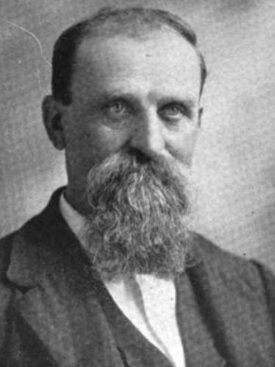
Frederick Edward White
U.S.A.

Social Media

Personal Background
Frederick Edward White spent his formative years on a farm in Keokuk County, Iowa, following his family's immigration from Prussia. He demonstrated early commitment to public service by enlisting in the 13th Iowa Volunteer Infantry Regiment during the Civil War. Post-war, he returned to agriculture and stock raising before entering the political arena. White secured a congressional seat by capitalizing on the unpopularity of the McKinley tariff, serving from 1891 to 1893. After his political career, he resumed agricultural activities until his retirement.
Political Ideas
Frederick Edward White's political identity is shaped by a blend of populist economic advocacy and a principled stance against federal overreach, particularly in economic matters. His opposition to the McKinley Tariff, which he successfully leveraged to unseat a Republican incumbent, reveals a deep-seated commitment to protecting local agricultural interests. White's military service in the Civil War adds a layer of personal sacrifice and dedication to his political persona, suggesting a readiness to champion causes he believes in, even when unpopular. His approach showcases a unique tension between his populist roots and a principled resistance to certain federal policies.