Frederick G. Payne
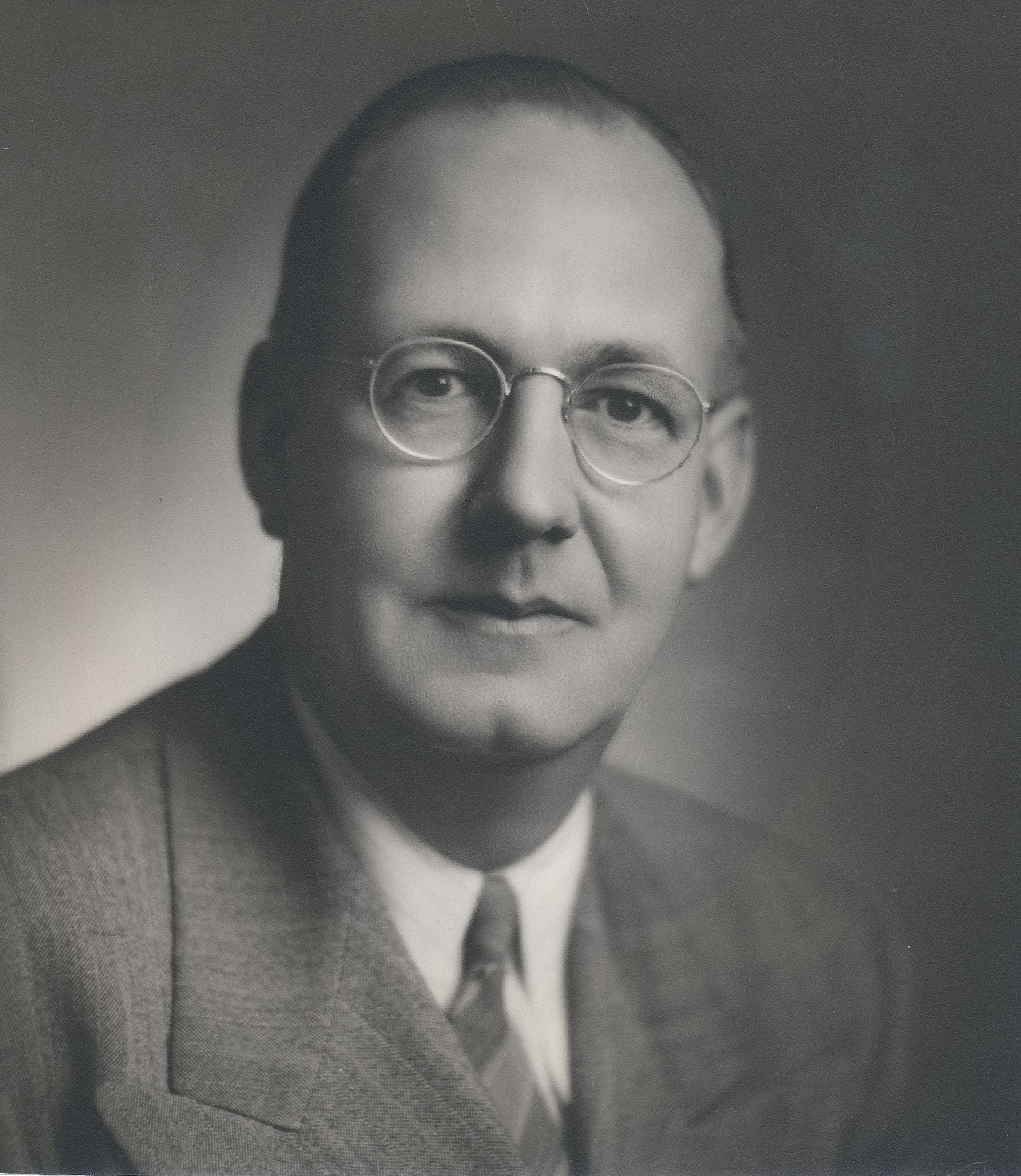
Frederick G. Payne
U.S.A.

Social Media

Personal Background
Frederick G. Payne graduated from the Bentley School of Accounting and Finance, establishing a foundation in financial management. He transitioned from a career in high-finance to public service, serving as mayor of Augusta before running for governor. Payne's military service during World War II further honed his leadership skills. He was elected governor of Maine and later served in the U.S. Senate, demonstrating a progression from local to national governance. Throughout his career, Payne focused on economic initiatives, public safety, and legislative efforts to address crime and gang violence.
Political Ideas
Frederick G. Payne's political identity is marked by a blend of traditionalism and surprising policy convergences. His tenure as governor saw the introduction of a sales tax and a highway modernization program, yet he also supported controversial legislation aimed at curbing gang violence by banning certain types of knives. Payne's rhetoric often linked immigrant communities to crime, revealing a distinct ideological stance that juxtaposes his economic modernization efforts with a conservative social agenda. Despite being accused of bribery, his eventual exoneration did not hinder his political career, suggesting a resilient, if not contentious, approach to governance.