Frederick Smyth
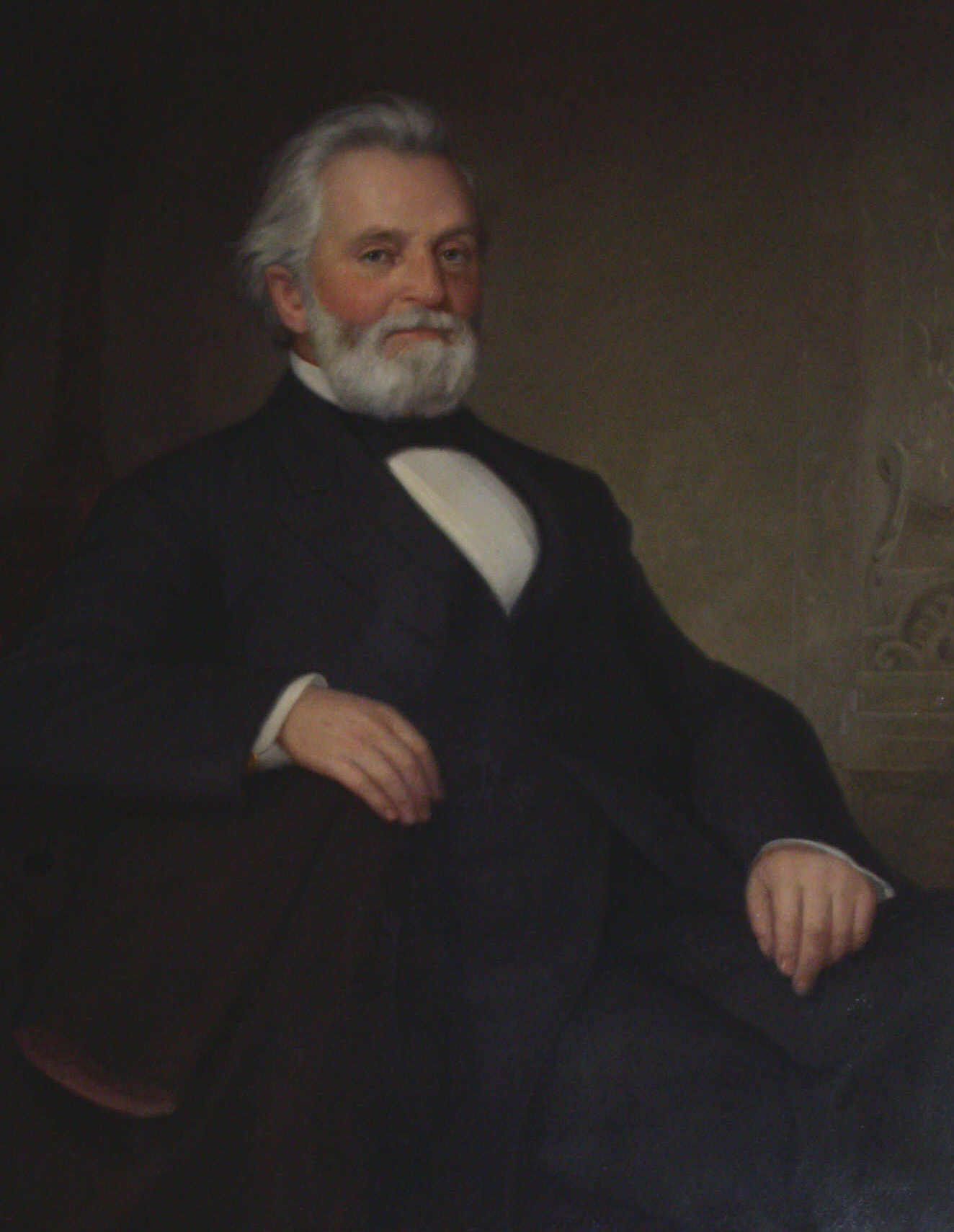
Frederick Smyth
U.S.A.

Social Media

Personal Background
Frederick Smyth began his career in business, managing a country store and later partnering in a Manchester enterprise. He transitioned into public service, serving multiple terms as Manchester's city clerk and mayor, and as a member of the New Hampshire General Court. Smyth held significant roles in agricultural and educational societies, introducing Abraham Lincoln during his visit to New Hampshire. As Governor, he addressed wartime financial challenges, supported the Fourteenth Amendment, and reformed state statutes. Smyth also played a pivotal role in infrastructure development, education, and civil rights, including the establishment of the New Hampshire College of Agriculture and the Mechanic Arts. His civic involvement extended to various boards and organizations, reflecting a commitment to public service and community development.
Political Ideas
Frederick Smyth's political career is marked by a blend of progressive infrastructure initiatives and fiscal conservatism, particularly in addressing wartime financial challenges. His tenure as mayor of Manchester saw significant urban development, yet he balanced these investments with a cautious approach to state borrowing. Smyth's support for the Fourteenth Amendment and environmental restoration efforts indicates a nuanced stance on civil rights and ecological preservation. His unique approach to balancing economic prudence with forward-thinking civic improvements reveals a strategic, ideologically agile politician.