Freeman H. Morse
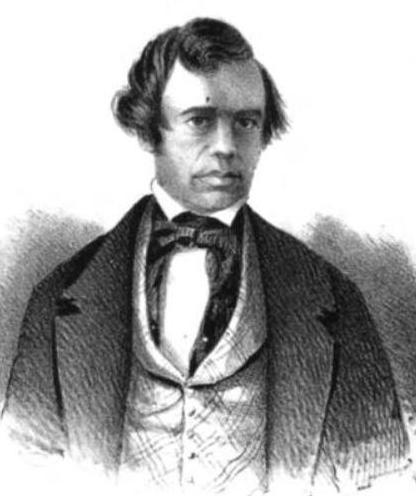
Freeman H. Morse
U.S.A.
Social Media

Personal Background
Freeman H. Morse attended private schools and the academy in Bath, establishing a solid educational foundation. He began his career as a ship figurehead carver, which honed his craftsmanship and attention to detail. Morse transitioned into politics, serving in the Maine House of Representatives and later in the U.S. Congress as a Whig and Republican. He chaired the Committee on Naval Affairs, showcasing his leadership and expertise in maritime issues. Morse's diplomatic career included significant roles as a consul and Consul General in London, appointed by President Abraham Lincoln, reflecting his adeptness in international relations.
Political Ideas
Freeman H. Morse's political career is marked by a distinctive blend of diplomatic engagement and local representation, revealing a unique approach to conflict resolution and international relations. His participation in the Peace Convention of 1861 and subsequent diplomatic roles in London suggest a strategic focus on preventing conflict through negotiation. Morse's ideological positioning, though not explicitly detailed, appears to be shaped by a pragmatic yet principled stance on international diplomacy, balancing regional interests with broader peace efforts. His rhetorical style likely emphasizes the importance of dialogue and cooperation, presenting a nuanced perspective on the role of the United States in global affairs.