Gabriel Moore
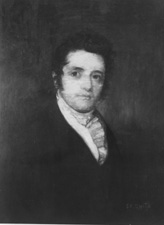
Gabriel Moore
U.S.A.
Social Media

Personal Background
Gabriel Moore spent a significant portion of his career in public service, beginning with service in the territorial legislatures. He demonstrated a strong political presence by winning elections with substantial majorities, including an uncontested victory in 1823. Moore transitioned between various roles, including serving as a representative in the United States Congress and as Governor of Alabama. His leadership was further evidenced by his election to the U.S. Senate, where he chaired the House Committee on Revolutionary Claims. Moore's career reflects a commitment to public service and strategic political transitions.
Political Ideas
Gabriel Moore's political career is marked by a blend of strategic maneuvering and ideological flexibility, particularly evident in his support for President Andrew Jackson despite being an Anti-Jacksonian senator. His significant electoral victories, including winning all available votes in one election, highlight his strong regional support. Moore's role as chairman of the House Committee on Revolutionary Claims underscores a focus on historical economic redress, while his decision to resign from the governorship to pursue a Senate seat reveals a calculated approach to political advancement. This mix of regional allegiance, historical economic focus, and strategic political moves presents a politician who balances ideological consistency with pragmatic opportunism.