Gabriel Slaughter
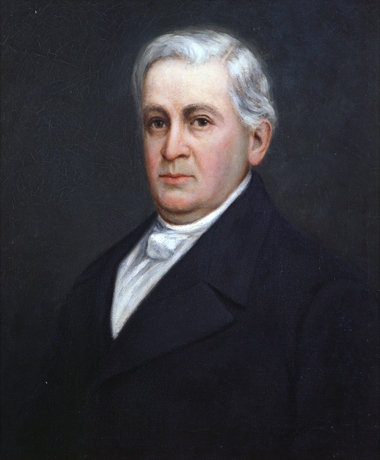
Gabriel Slaughter
U.S.A.

Social Media

Personal Background
Gabriel Slaughter spent his early years in Virginia before relocating to Kentucky, where he established a family and began his public service career. He held various positions in the Kentucky General Assembly, including serving on multiple committees and chairing the Senate Committee of Propositions and Grievances. Slaughter also served in the state militia, commanding troops in the Battle of New Orleans and later presiding over a court martial. His tenure as lieutenant governor and governor was marked by efforts to reform the public school system and penal institutions, as well as a firm stance on financial responsibility during economic crises. Slaughter's commitment to education and religious leadership was evident through his support for institutions like Georgetown College and his involvement in the Baptist community.
Political Ideas
Gabriel Slaughter's political identity is marked by a tension between progressive educational reforms and fiscal conservatism. He proposed a public school system funded through lotteries, yet opposed individual schools receiving lottery support, revealing a nuanced stance on public versus private funding. Slaughter's veto of debt moratorium laws during the 1819 financial crisis underscores his commitment to creditor rights, even as he challenged federal financial institutions' constitutionality. His religious and educational leadership further complicates his ideological profile, blending progressive social initiatives with a cautious approach to public finance.