Gamaliel Bradford
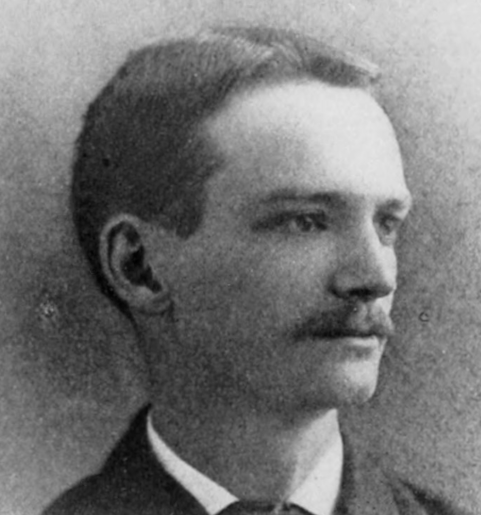
Gamaliel Bradford
U.S.A.
Social Media

Personal Background
Gamaliel Bradford pursued an education at Harvard, though he withdrew due to health issues and continued his studies privately. He developed a distinctive writing style known as "psychography," focusing on the inner lives and states of mind of his subjects. Bradford authored extensive biographical works on notable figures such as Robert E. Lee, Samuel Pepys, Charles Darwin, and D. L. Moody, often presenting his material in shorter, collected studies. Despite his health challenges, he maintained a prolific correspondence and a deep engagement with intellectual circles.
Political Ideas
Gamaliel Bradford's political identity is marked by a distinctive approach to understanding and interpreting the inner lives of historical figures, which he termed "psychography." Despite his Victorian leanings and critical stance against modern pretenses, Bradford's opposition to Darwinism reveals an unexpected rigidity in his ideological framework. His rhetorical style, focusing on character and personality, contrasts sharply with his critical view of contemporary society, suggesting a deeply introspective yet confrontational political philosophy. This tension between his localized cultural stance and broader ideological rigidity invites further exploration into how he reconciles these seemingly disparate elements.