George A. Nelson
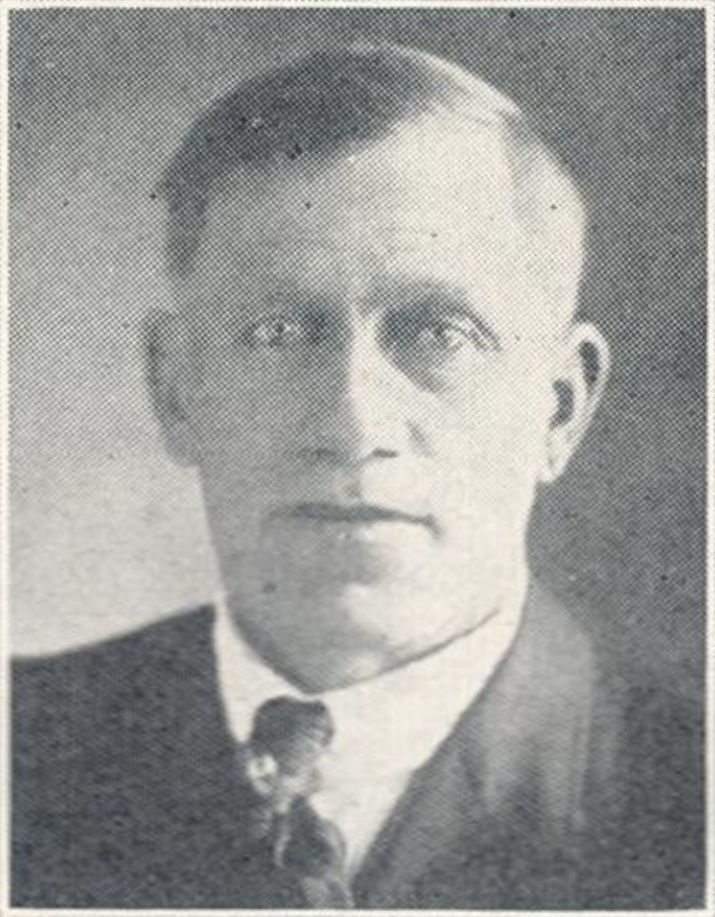
George A. Nelson
U.S.A.

Social Media

Personal Background
George A. Nelson began his career in diverse manual labor roles, gaining extensive experience across multiple states and countries. He established a foundation in public service by serving as a school clerk for over three decades, culminating in a leadership role as Speaker of the Wisconsin State Assembly. Nelson transitioned into political activism, becoming a prominent figure in the cooperative movement and holding various leadership positions within educational and professional organizations. He ran for national office as the Socialist Party's vice presidential nominee and later sought state-level positions, reflecting a commitment to progressive causes.
Political Ideas
George A. Nelson's political identity is marked by an ideological rigor that blends a deep-rooted agrarian populism with a commitment to socialist principles. He juxtaposes a fierce opposition to the New Deal with an unwavering advocacy for the cooperative movement, suggesting a highly localized approach to economic policy. Nelson’s rhetoric often highlights the exploitation of farmers, revealing a narrative that pits the common worker against capitalist structures. His unexpected stances, such as opposing the Agricultural Adjustment Act, underscore a calculated strategy to protect regional industrial interests, leaving one to wonder how he reconciles these positions within his broader socialist framework.