George Aiken
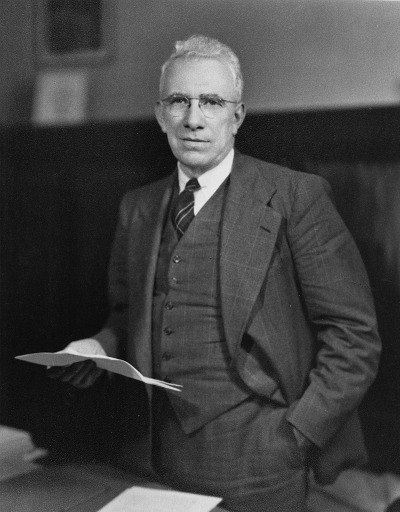
George Aiken
U.S.A.

Social Media

Personal Background
George Aiken began his career in agriculture, expanding a small raspberry farm to 500 acres. He held leadership roles in local agricultural societies and served on the Putney school board. Aiken transitioned to politics, becoming a member and later Speaker of the Vermont House of Representatives, where he opposed private power companies. He served as Lieutenant Governor and Governor of Vermont, reducing state debt and advocating for rural interests. Aiken was elected to the U.S. Senate, where he chaired key committees and supported civil rights, rural electrification, and flood control.
Political Ideas
George Aiken's political identity is marked by an intriguing blend of progressive economic policies and cautious civil rights advocacy. He championed moderate to liberal economic measures, including support for New Deal initiatives and breaking up industry monopolies, while his stance on civil rights evolved from strong support in the 1950s to a more ambiguous position by the 1960s. Aiken's environmental advocacy for rural America reveals a deep-rooted affection for his home state, Vermont. His nuanced approach to labor disputes and Vietnam War involvement further underscores a strategic, ideologically agile political philosophy.