George B. McClellan
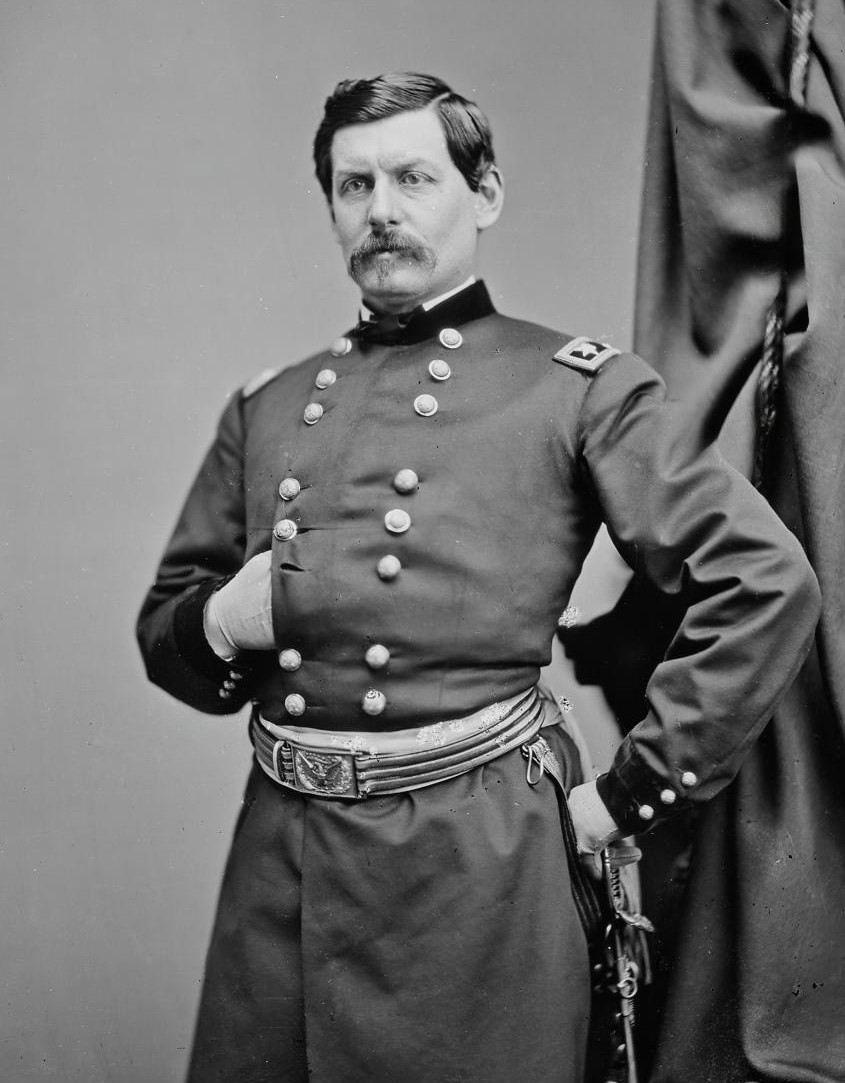
George B. McClellan
U.S.A.

Social Media

Personal Background
George B. McClellan graduated second in his class from the United States Military Academy at age 19. He gained combat experience in the Mexican–American War and later served as an official observer in the Crimean War. McClellan transitioned from military service to leadership roles in the railroad industry, including as president of the Ohio and Mississippi Railroad. During the Civil War, he commanded the Army of the Potomac but was removed from his position by President Lincoln. After the war, he held various engineering and executive positions, including as governor of New Jersey, where he focused on tax reduction and infrastructure modernization.
Political Ideas
George B. McClellan's strategic philosophy is marked by a cautious and methodical approach, particularly in military engagements where he often underestimated Confederate strength. His ideological positioning straddles a complex middle ground on slavery, initially opposing federal interference yet later endorsing conditional emancipation. McClellan’s rhetorical style emphasizes order and stability, often clashing with more radical factions within his party. His gubernatorial tenure in New Jersey reveals a focus on fiscal conservatism and infrastructure modernization, suggesting a pragmatic yet restrained approach to governance.