George C. Ludlow
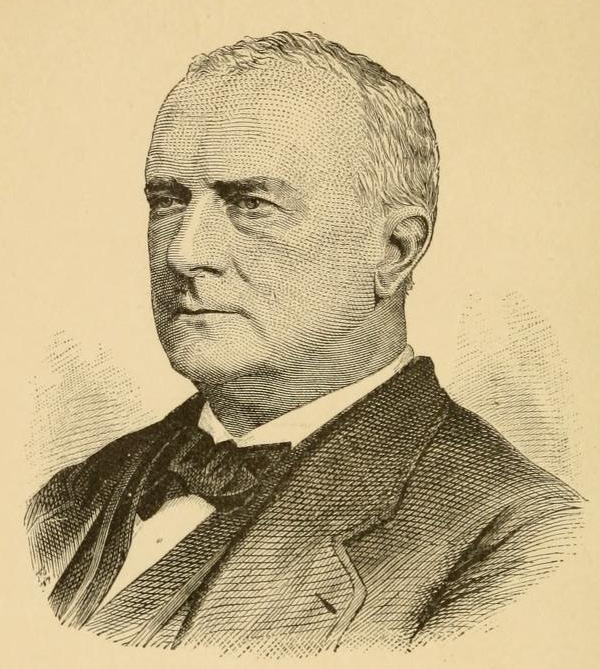
George C. Ludlow
U.S.A.

Social Media

Personal Background
George C. Ludlow graduated from Rutgers College in 1850 and opened a law practice shortly thereafter, gaining significant experience as private counsel for the Pennsylvania Railroad. He entered public service by being elected to the New Jersey Senate in 1876, eventually serving as Senate President in 1878. His tenure as Governor of New Jersey from 1880 to 1884 was marked by his efforts to balance the state budget through increased corporate taxes, particularly on railroads, and his vetoes aimed at protecting public and shareholder interests. Post-governorship, Ludlow contributed to state constitutional amendments and was appointed to the New Jersey Supreme Court in 1895.
Political Ideas
George C. Ludlow's political identity is marked by a tension between corporate interests and public welfare. He leveraged his background in law and his ties to the railroad industry to advocate for corporate tax increases, yet simultaneously championed public access and clean water initiatives. His vetoes on bills favoring corporate interests over public good reveal a principled stance against perceived legislative overreach. Ludlow's governance approach, which included categorizing municipalities for better resource management, hints at a highly localized strategy. His unexpected convergence with opposing factions on environmental regulations showcases an ideologically agile approach.