George Craig
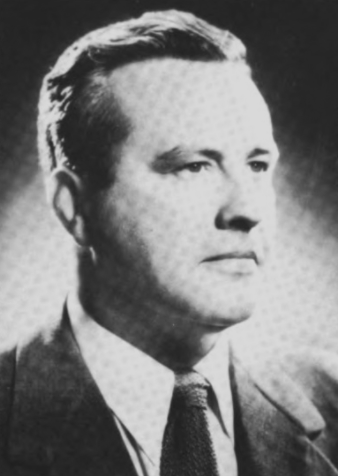
George North Craig
U.S.A.

Social Media

Personal Background
George Craig graduated from Indiana University School of Law and began practicing law in his father's firm. He commanded a significant role in the American Legion and later became chairman of the county Republican Party. Craig served in World War II, achieving the rank of lieutenant colonel, before being elected as the 39th governor of Indiana. During his tenure, he implemented reforms in various sectors, including education, public safety, and mental health, and established the Department of Corrections and the Uniform Traffic Code. Despite facing a high-profile scandal involving his aides, Craig transitioned to private practice and held leadership roles in the legal and automotive industries.
Political Ideas
George Craig's political identity is marked by a blend of progressive economic reforms and conservative social stances, creating a unique ideological tension. He proposed significant state spending and centralized control over agencies, yet he remained skeptical of undeserved war bonuses. His educational reforms aimed at modernizing infrastructure and improving teacher conditions, while his public safety initiatives focused on penal reform and traffic safety. Despite his progressive economic proposals, Craig's opposition to the anti-communist faction within his party reveals a calculated balancing act between ideological rigidity and pragmatic governance.