George Dewey Clyde
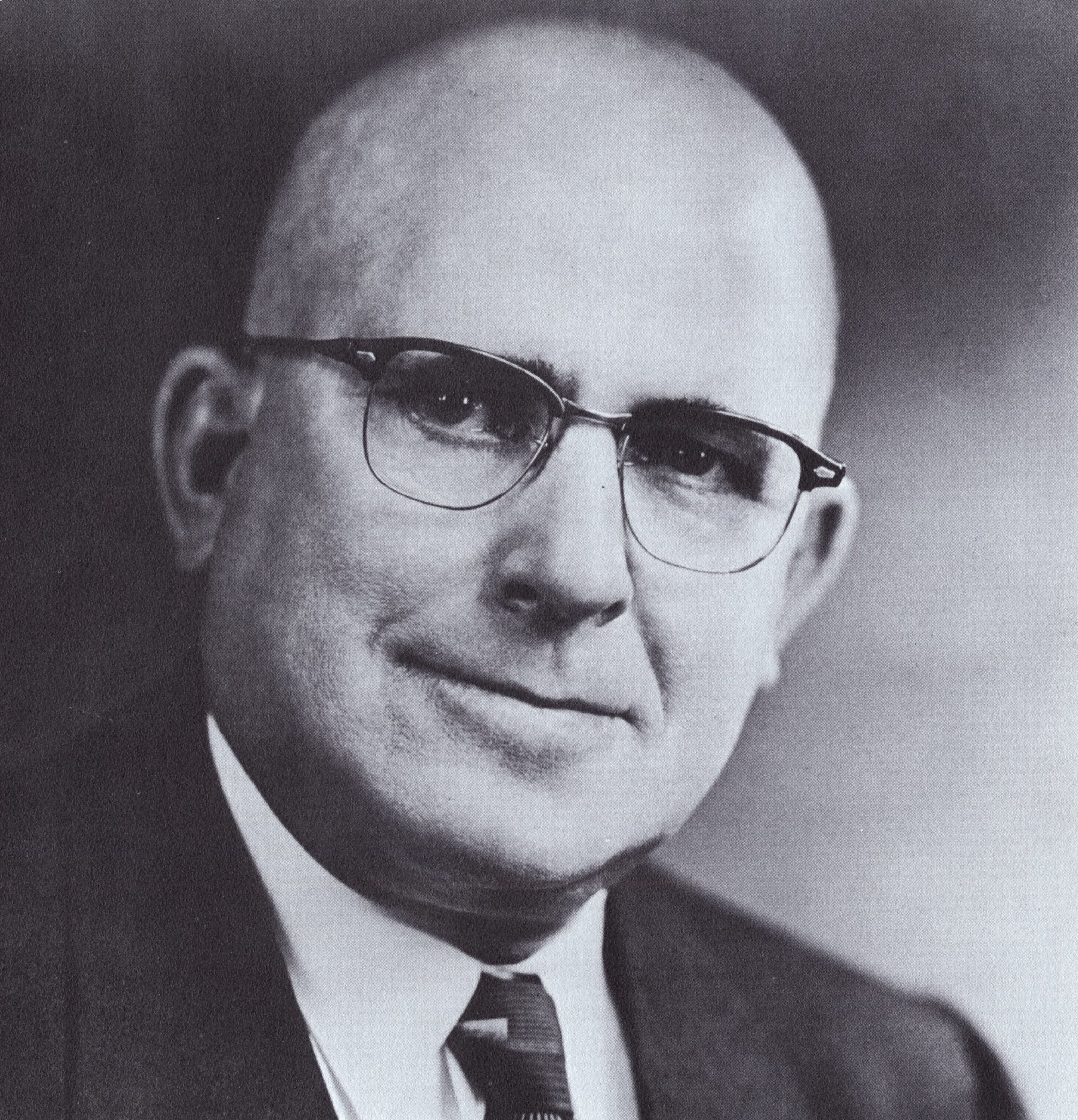
George Dewey Clyde
U.S.A.

Social Media

Personal Background
George Dewey Clyde began his career in public service during a critical period of drought, serving as Utah state water conservator. He later held advisory roles in water resource development and engineering. Clyde's expertise in water conservation led to a significant federal role with the U.S. Soil Conservation Service. He then transitioned to managing state resources as the director of the Utah Water and Power Board. His leadership in these roles culminated in his election as governor, where he prioritized infrastructure and education, though he faced challenges in balancing fiscal responsibility with public needs.
Political Ideas
George Dewey Clyde's political career reveals a nuanced approach to fiscal responsibility and regional interests, particularly in education and infrastructure. His tenure saw significant investments in infrastructure, yet he resisted bonding for higher education, showcasing a calculated balance between development and fiscal restraint. Clyde's conflict with educators over spending highlights a tension between progressive educational goals and fiscal conservatism. His unexpected veto of a Sunday closing bill indicates a progressive stance on civil rights, contrasting with his otherwise conservative fiscal policies.