George Hodges
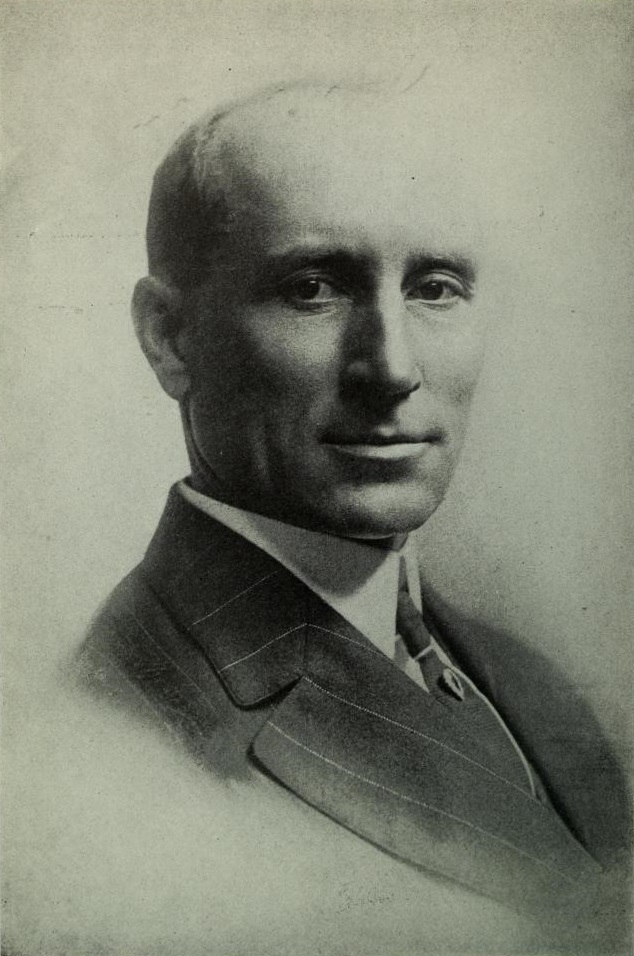
George Hartshorn Hodges
U.S.A.

Social Media

Personal Background
George Hodges began his career as a successful businessman with diverse interests, including lumber, hardware, loans, and newspaper ownership. He transitioned into public service, serving on the Olathe City Council and later as Mayor of Olathe. Hodges then moved to the Kansas Senate, where he championed progressive reforms and led initiatives on the railroad committee. His tenure as Governor of Kansas was marked by significant legislative proposals aimed at improving suffrage, election processes, taxation, infrastructure, labor laws, and government efficiency. Despite losing his reelection bid, Hodges remained active in public service, contributing to the State Board of Regents and the State Textbook Commission.
Political Ideas
George Hodges's political identity is marked by a blend of progressive reforms and surprising policy combinations. He advocated for women's suffrage and direct election of U.S. Senators while simultaneously proposing regressive measures like taxing non-resident mortgages. Hodges's legislative record reveals an unexpected convergence with opposing factions on environmental regulations, showcasing a highly calculated approach to protecting regional industrial interests. His proposals to overhaul grain inspection laws and child labor regulations suggest a nuanced stance on labor and agriculture, revealing a politician who navigates ideological waters with calculated precision.