George Howard
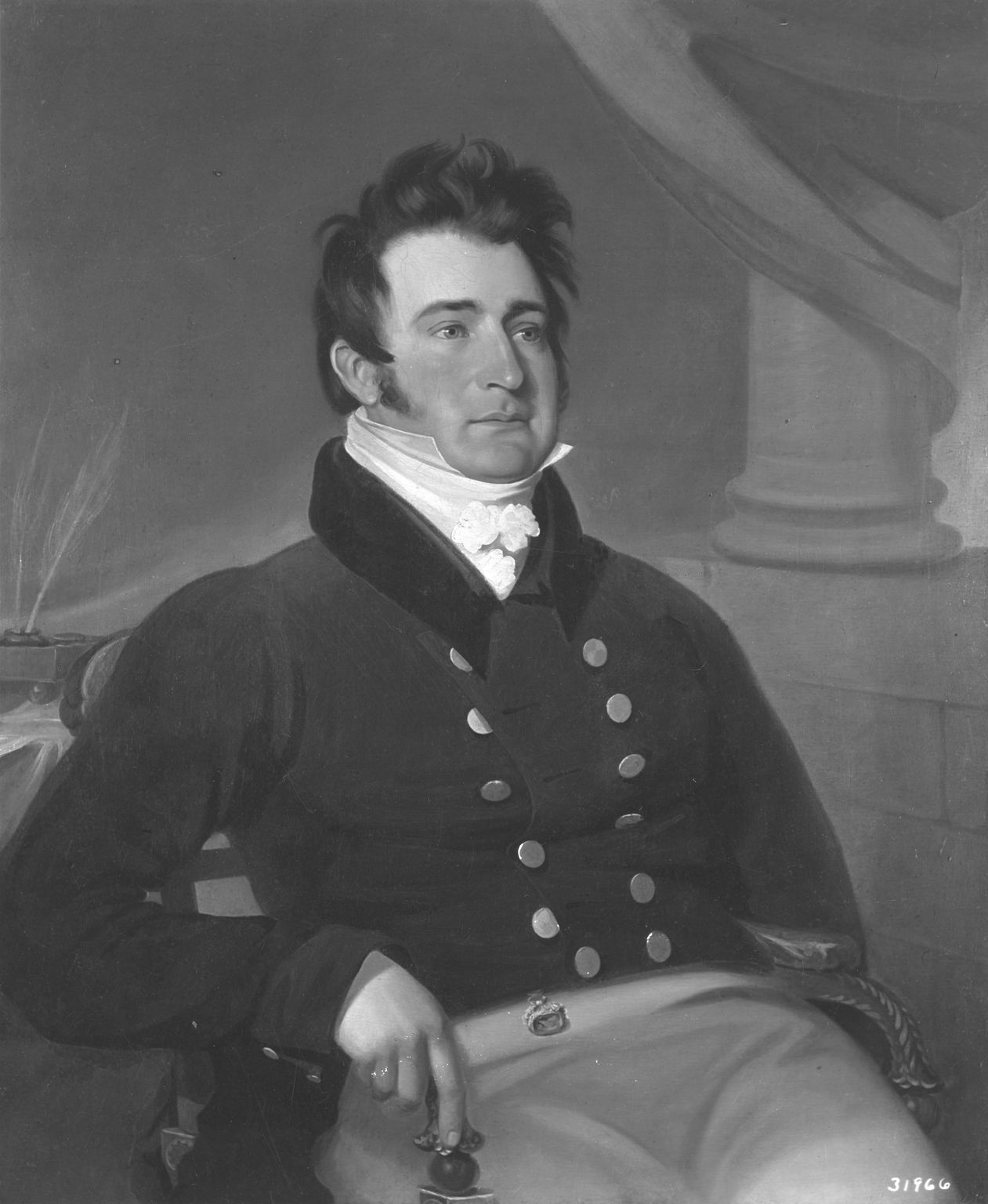
George Howard
U.S.A.

Social Media

Personal Background
George Howard was born into a politically influential family in 1789. He pursued a career in public service, culminating in his election as Governor of Maryland in 1831. Howard's tenure included advocating for economic reforms, such as the establishment of a State Bank, and supporting educational initiatives. He also chaired the Maryland Slave-Holders Convention in 1842, reflecting his stance on slavery. His professional and personal life intertwined with prominent political figures, as evidenced by his marriage to Prudence Gough Ridgely, the daughter of a governor.
Political Ideas
George Howard's political identity is marked by a complex blend of traditional economic conservatism and progressive educational advocacy. He championed the establishment of a State Bank while opposing lotteries, showcasing a calculated approach to fiscal matters. Surprisingly, Howard's support for endowing Maryland colleges reveals an ideological commitment to intellectual advancement. His stance on slavery, including his role in the Maryland Slave-Holders Convention and advocacy for colonizing free Negroes in Africa, presents a stark contrast to his educational reforms, highlighting a deeply conflicted approach to human rights and social progress.