George Lincoln Rockwell
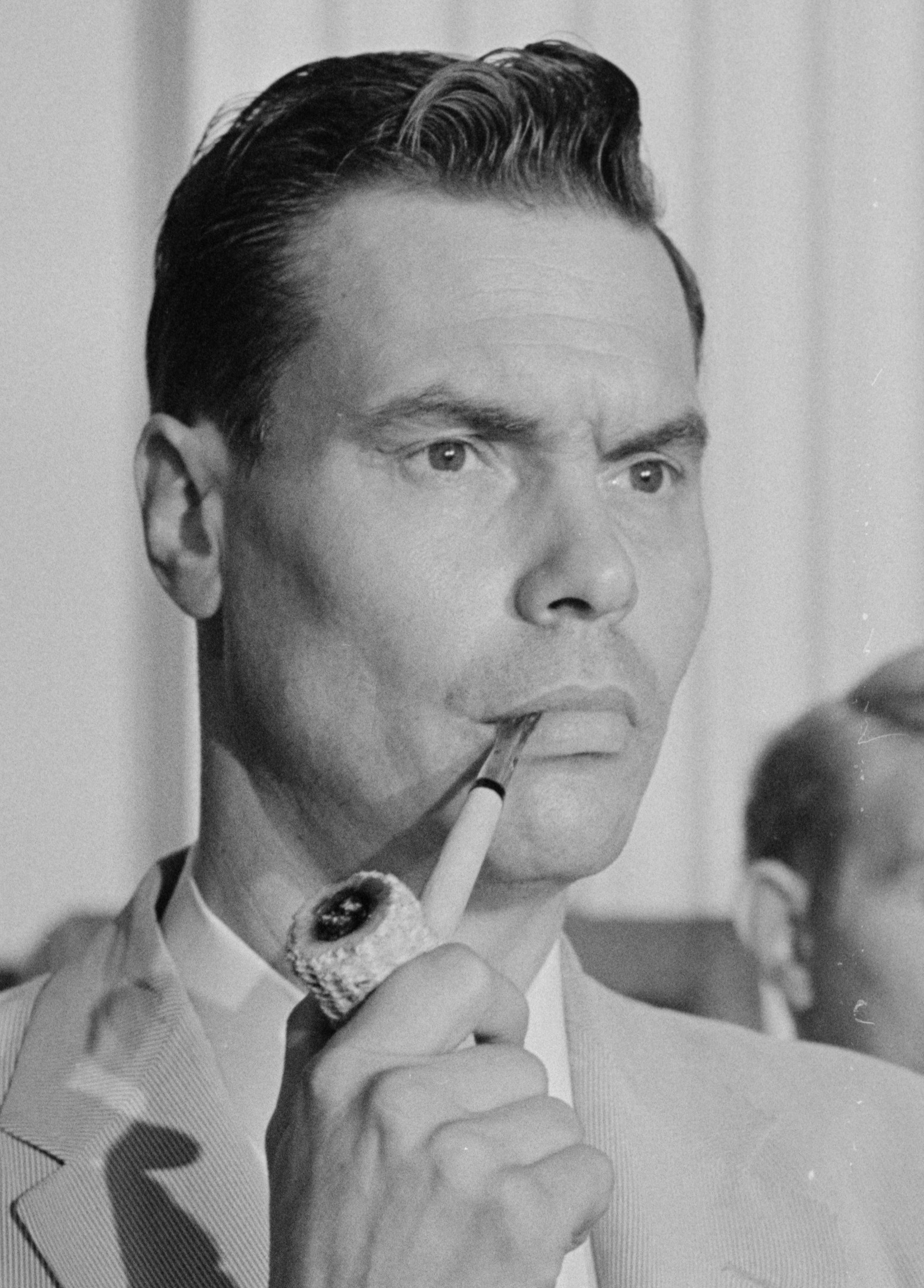
George Lincoln Rockwell
U.S.A.
Social Media

Personal Background
George Lincoln Rockwell attended flight schools during the early 1940s and served in World War II, participating in the Battle of the Atlantic and the Pacific War. Post-war, he worked as a sign painter and later pursued a commercial art program at Pratt Institute, winning a notable prize for an American Cancer Society advertisement. He founded an advertising agency in Maine before completing his studies. Rockwell's professional background includes leadership roles in high-finance and a transition to the public sector, showcasing his ability to manage institutional risk and adapt to diverse environments.
Political Ideas
George Lincoln Rockwell's political identity is steeped in extreme white supremacy and racial segregation, blending ideological Nazism with a broader white supremacist agenda. His rhetorical style is marked by a calculated use of religious imagery and Holocaust denial, presenting himself as a Christ-like martyr. Rockwell's policy positions reveal an unexpected alliance with Black separatists on racial segregation while advocating for the resettlement of African Americans, showcasing a highly localized approach to racial issues. His ideological flexibility, shifting from specific Nazism to a broader white supremacy, reveals an agile yet deeply divisive strategic philosophy.