George S. Boutwell
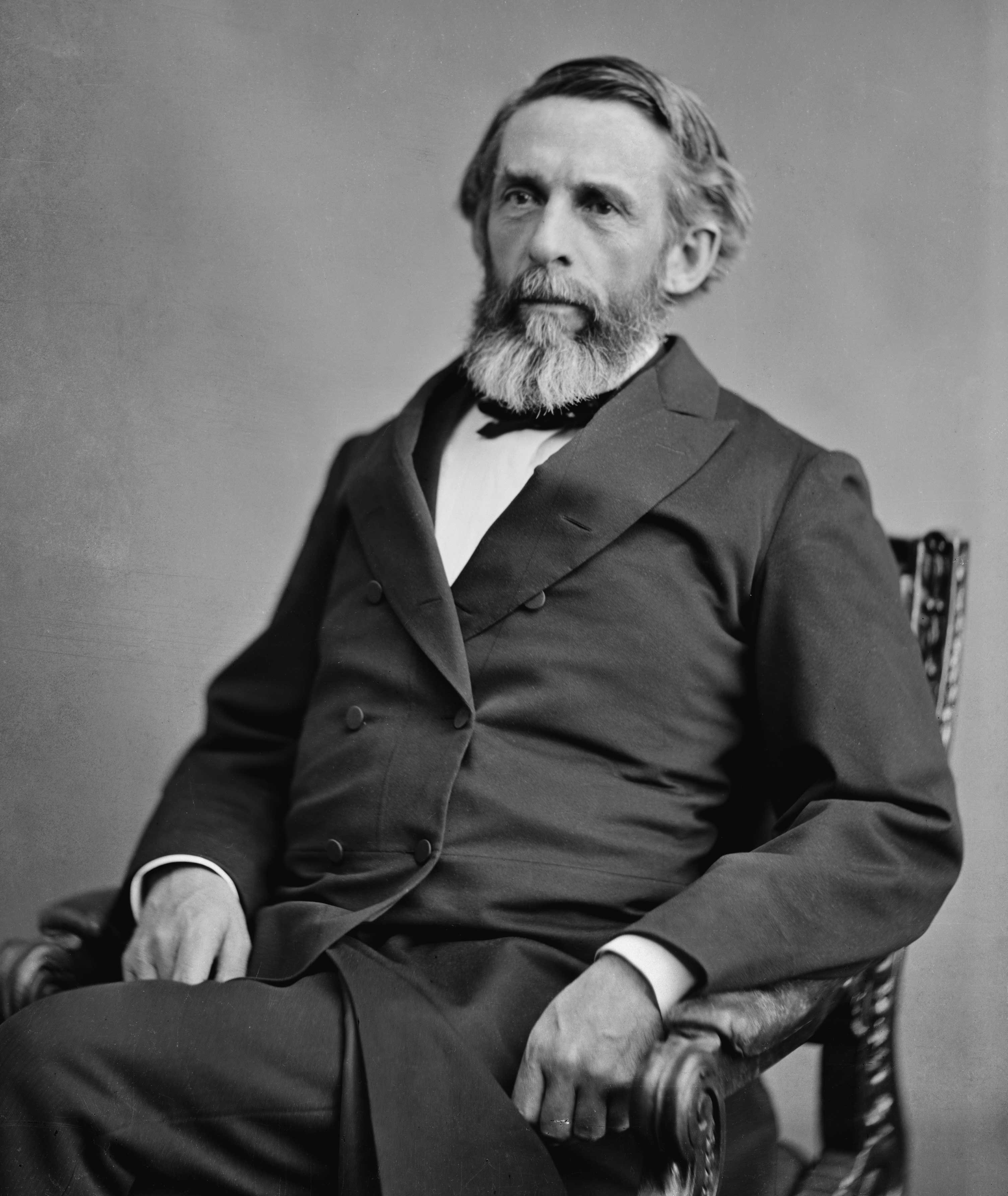
George S. Boutwell
U.S.A.

Social Media

Personal Background
George S. Boutwell began his career in public service and law, gaining early experience in local governance and banking. He transitioned from managing a shop to a pension agent role, where he became dedicated to the anti-slavery cause. Boutwell's political career saw him serve in various state legislative roles, where he advocated for free trade, fiscal restraint, and education reforms. He held significant roles during the Civil War, including organizing the Internal Revenue Bureau and serving as its first Commissioner. Boutwell's tenure in Congress and as Secretary of the Treasury was marked by his advocacy for emancipation and fiscal responsibility. Later in his career, he served in the U.S. Senate, where he championed "honest money," federal protection for Black voters, and high tariffs. Boutwell also practiced international law and opposed imperialist policies, founding the American Anti-Imperialist League.
Political Ideas
George S. Boutwell's political identity is marked by a blend of radical economic policies and a steadfast commitment to civil rights, juxtaposed with an independent streak in administration. His advocacy for free trade and restrained money supply contrasts with his support for high tariffs, revealing a localized approach to economic policy. Boutwell's dedication to emancipation and federal protection for Black voters showcases his progressive stance on civil rights, while his role in organizing the Internal Revenue Bureau and his independent actions as Treasury Secretary illustrate a unique blend of administrative innovation and autonomy.