George S. Houston
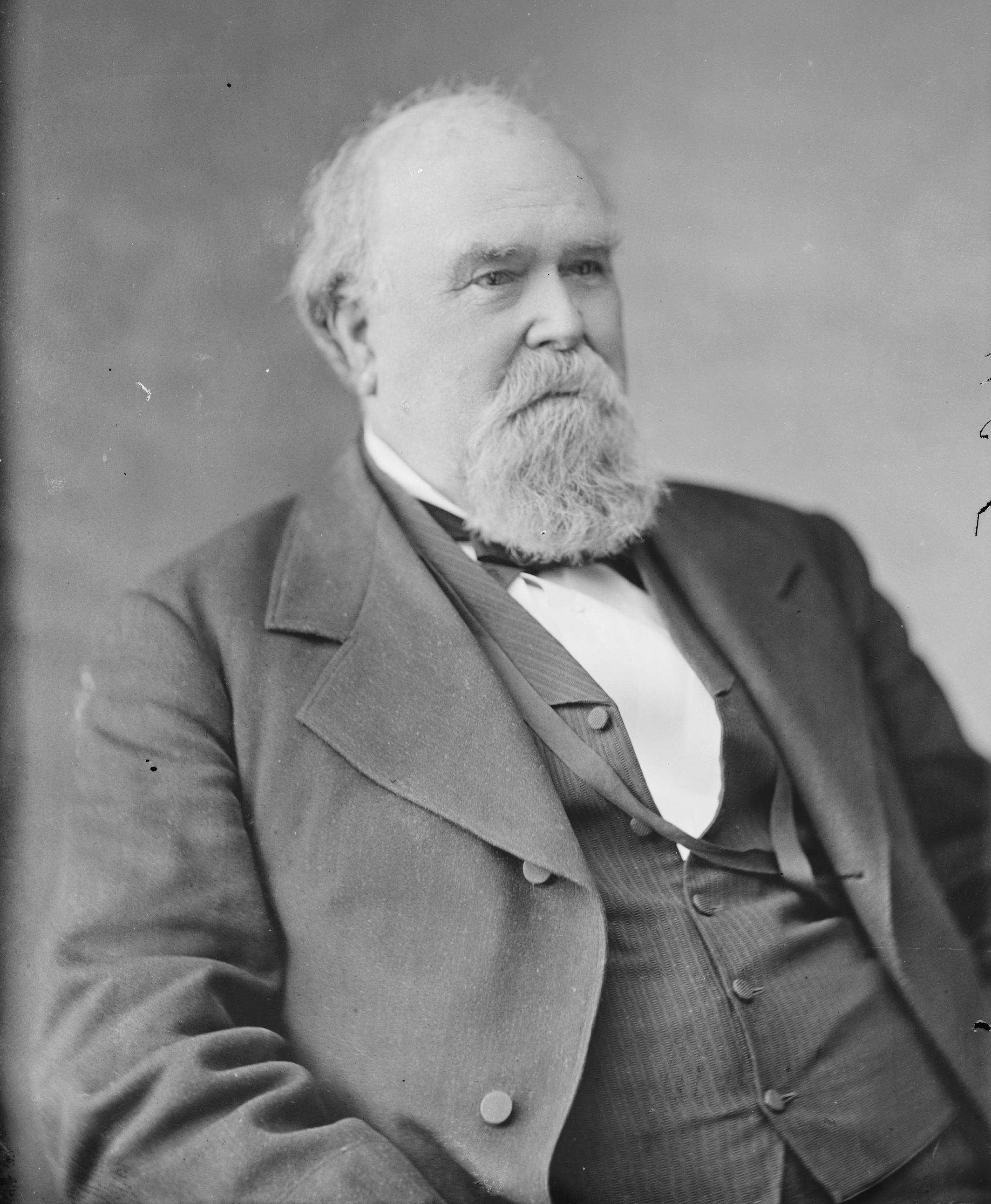
George S. Houston
U.S.A.

Social Media

Personal Background
George S. Houston was born in 1811 in Tennessee and relocated to Alabama as a teenager. He studied law and was elected to the Alabama House of Representatives in 1831. Houston held various legal and public service roles, including serving as district solicitor and a U.S. Congressman, where he chaired significant committees. During the Civil War, he resigned from office and opposed Radical Republicans post-war. Houston was elected Governor of Alabama in 1874, focusing on public health, immigration, and state economic reforms. Despite challenges, he advocated for a new state constitution and public health initiatives. His background includes experience in law, public service, and governance, with a notable emphasis on state-level reforms and constitutional changes.
Political Ideas
George S. Houston's political identity is marked by a blend of progressive public health initiatives and regressive labor practices. He championed the creation of one of the nation's first public health boards, yet simultaneously expanded Alabama's prisoner lease system, predominantly affecting Black prisoners. His advocacy for immigration to counteract population decline juxtaposes with his failure to reform the state's educational system, hindered by inherited debt. Houston's strategic silence during the Civil War and his opposition to Radical Republicans during Reconstruction further complicate his ideological stance, revealing a calculated approach to regional interests.