George Stoneman
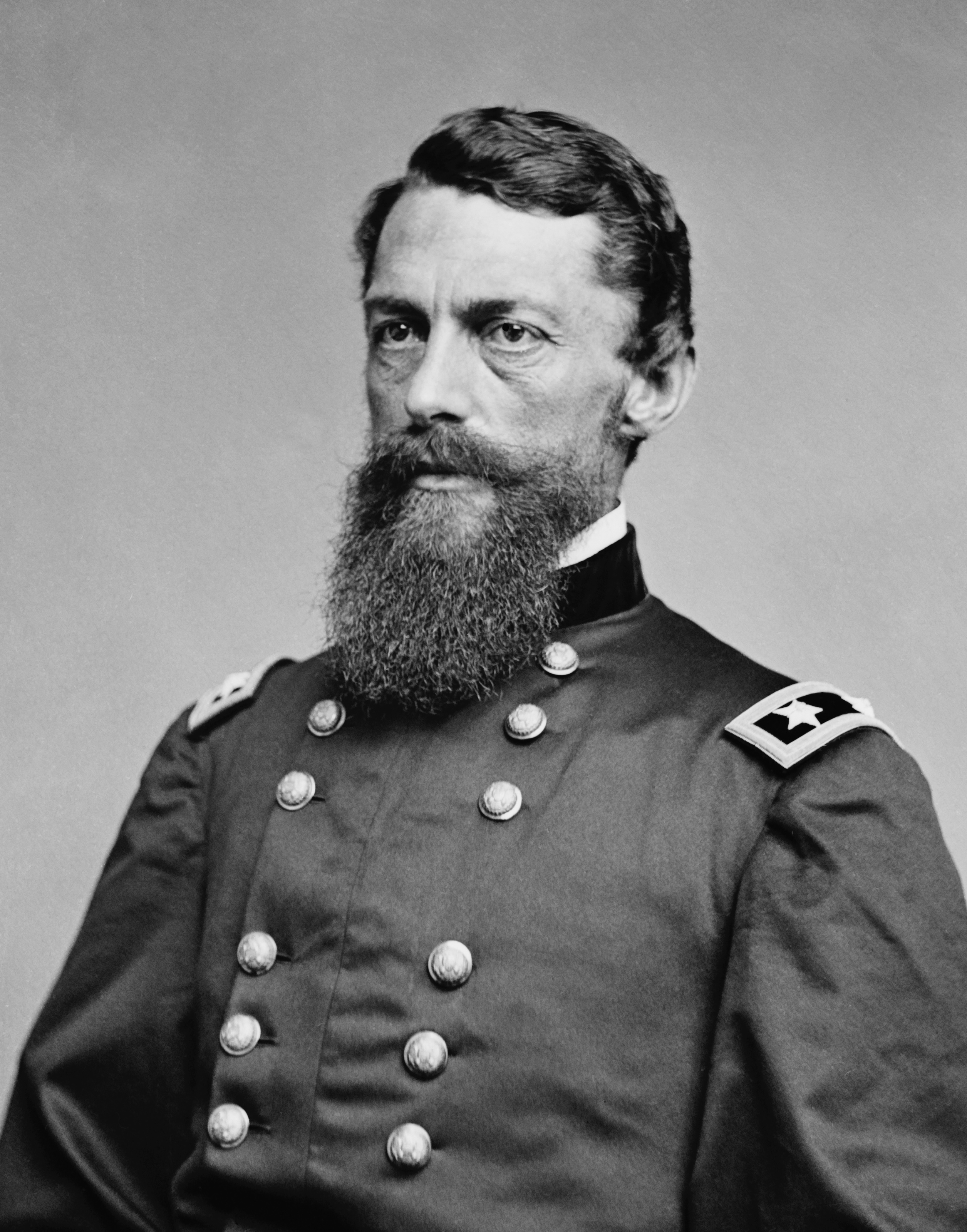
George Stoneman
U.S.A.

Social Media

Personal Background
George Stoneman holds a foundational background rooted in military service and leadership. He graduated from the United States Military Academy at West Point and participated in the Mexican-American War, despite not seeing combat. Stoneman engaged in combat and survey work during the Yuma War and held various command positions during the Civil War, including leading the Cavalry Corps of the Army of the Ohio. Post-war, he commanded occupying troops in Memphis and was involved in suppressing the 1866 riots. Stoneman transitioned to the public sector, advocating for railroad regulation and prison reform during his tenure as governor of California.
Political Ideas
George Stoneman's military and political career reveals a complex blend of traditional leadership and progressive policy advocacy. His military record, marked by both notable failures and strategic successes, suggests a calculated approach to conflict and command. Stoneman's post-war stance on Reconstruction hints at a nuanced view of military governance and civil rights. His advocacy for railroad regulation and prison reform showcases a surprising alignment with progressive ideals, challenging the conventional image of a mid-19th-century military leader.