George T. Ward
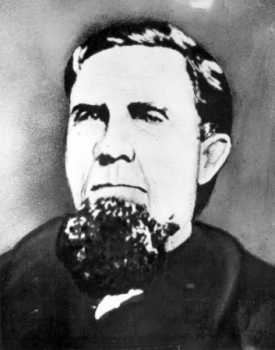
George T. Ward
U.S.A.
Social Media

Personal Background
George T. Ward was a prominent planter in central Florida, owning multiple plantations and managing a significant agricultural output. He held a substantial number of slaves and produced large quantities of corn and cotton annually. Ward's career included a notable duel during the Second Seminole War and participation in the Montgomery Convention on secession, where he advocated for delaying Florida's secession. He served in the Confederate Provisional Congress and as a colonel in the 2nd Florida Infantry, participating in the Yorktown siege before his death at the Battle of Williamsburg.
Political Ideas
George T. Ward's political identity is marked by a reluctance to embrace immediate secession, advocating for a delay until other states acted first. Despite his deep roots in the plantation economy, owning multiple plantations and numerous slaves, Ward displayed an ideological tension by hesitating to fully commit to the Confederate cause. His military service and ultimate death in battle underscore a personal commitment to the Confederate ideal, yet his strategic caution in secession debates reveals an unexpectedly measured approach. Ward's marriage into a wealthy planter family and his significant agricultural production further highlight the complex interplay between his economic interests and political decisions.