George Troup
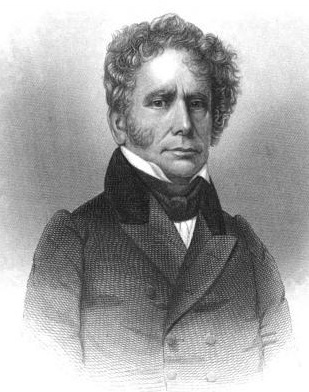
George Troup
U.S.A.

Social Media

Personal Background
George Troup graduated from the College of New Jersey in 1797 and was admitted to the bar in Savannah, Georgia in 1799. He began his political career as a state legislator and later served in the U.S. House of Representatives, where he opposed the Yazoo land scandal and supported the War of 1812. Troup transitioned to the U.S. Senate, where he chaired the Senate Committee of Military Affairs. As governor, he advocated for Creek Indian removal and negotiated the Treaty of Indian Springs. He later returned to the Senate and was a presidential nominee in 1852.
Political Ideas
George Troup's political identity is marked by a blend of regional advocacy and strategic international alignment. His support for Creek Indian removal reveals a calculated approach to regional economic interests, while his advocacy for public education and infrastructure highlights a commitment to state development. Troup's unique stance on international relations, favoring Great Britain while criticizing France, adds a layer of complexity to his ideological positioning. This mix of domestic priorities and selective foreign alliances underscores a nuanced, almost paradoxical political strategy.