George W. Crawford
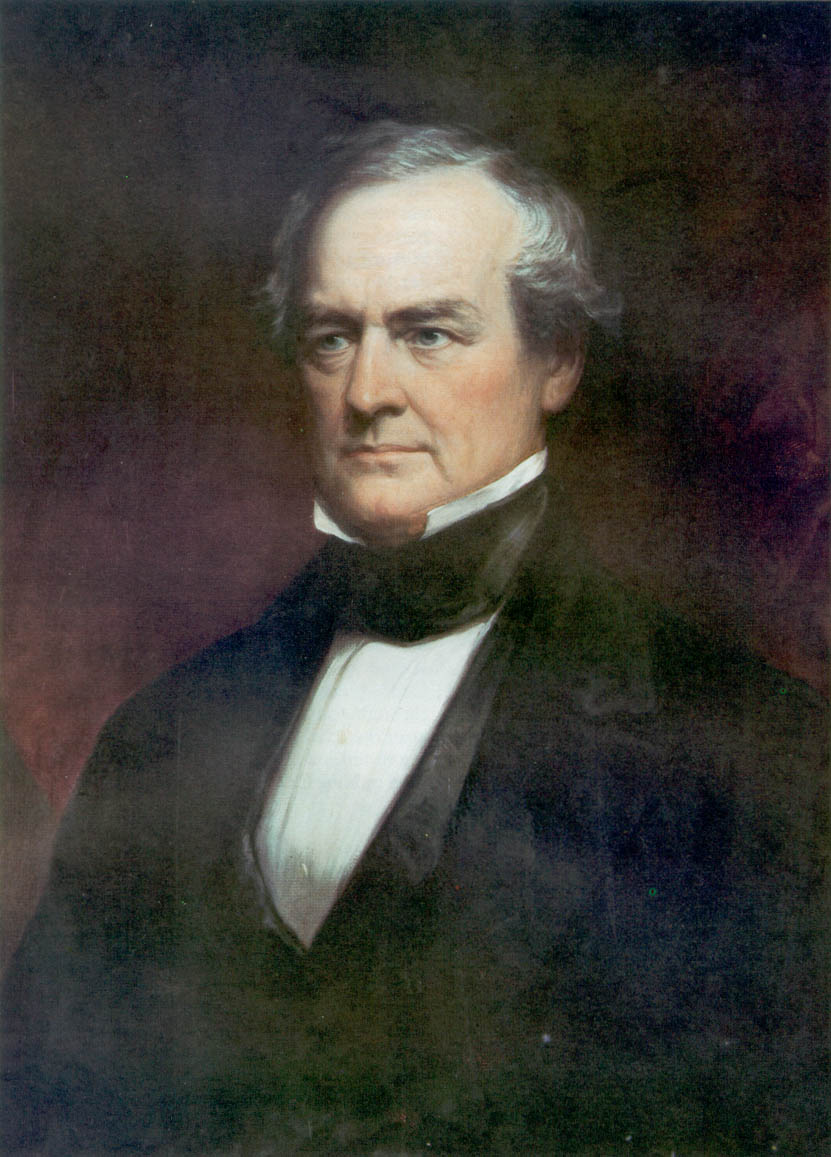
George W. Crawford
U.S.A.

Social Media

Personal Background
George W. Crawford pursued a legal career following his education at Princeton University, becoming licensed to practice law in 1822. He served as Georgia's attorney general and later as a congressman, where he represented Richmond County. Crawford's tenure as Governor of Georgia was marked by significant fiscal reforms, including debt reduction and infrastructure development. He also established the Supreme Court of Georgia and reformed the state penitentiary. Crawford's military background includes service in the Georgia Militia, and he later served as Secretary of War under President Zachary Taylor. He played a pivotal role in Georgia's secession from the Union, authoring the state's Ordinance of Secession.
Political Ideas
George W. Crawford's political identity is marked by a blend of fiscal conservatism and strategic state-building, underscored by his efforts to reduce Georgia's debt and expand infrastructure. His tenure as Governor saw a surprising alignment with infrastructural development while dismantling state banking systems, revealing a nuanced approach to economic policy. Crawford's role in Georgia's secession and his later amnesty after the Civil War highlight a complex relationship with national loyalty and regional interests. His calculated maneuvers, from challenging political adversaries to leading Georgia's exit from the Union, suggest a deeply strategic and ideologically agile politician.