George W. Morgan
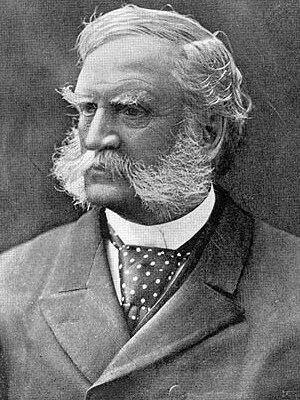
George W. Morgan
U.S.A.

Social Media

Personal Background
George W. Morgan began his career in military service, participating in the struggle for Texas independence and later the Mexican-American War, where he rose to the rank of colonel. He transitioned to law, establishing a practice before returning to military service during the Civil War, where he commanded divisions and captured strategic locations. Morgan's diplomatic experience includes serving as United States Consul to Marseille and Minister to Portugal. Post-war, he engaged in politics, campaigning for presidential candidates and serving in Congress, where he focused on foreign affairs and military matters.
Political Ideas
George W. Morgan's political identity is marked by a complex blend of staunch Union loyalty and a rigid opposition to federal interference in slavery. His military career, punctuated by significant roles in both the Texas independence struggle and the Civil War, underscores a calculated approach to regional interests. Morgan’s legislative record reveals an unexpected convergence with opposing factions on environmental regulations, suggesting a highly calculated strategy to protect industrial interests. His rhetorical style, while not extensively documented, likely combines a traditionalist respect for established orders with a pragmatic adaptability in navigating political landscapes.