George W. Romney
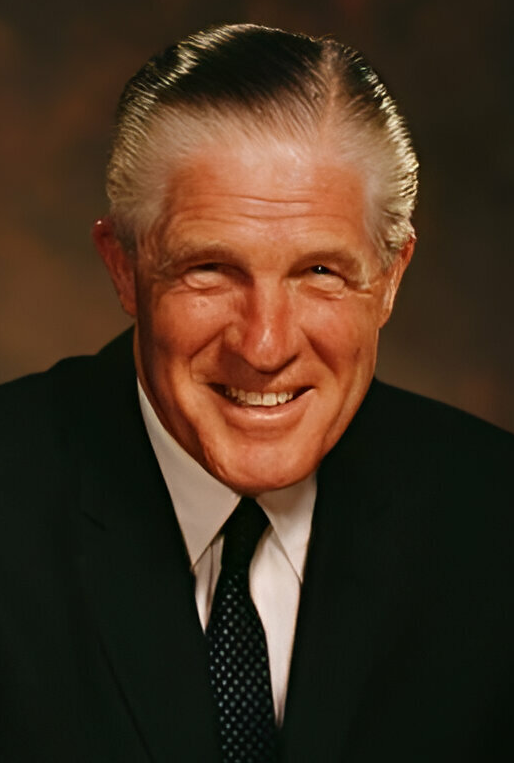
George W. Romney
U.S.A.

Social Media

Personal Background
George W. Romney began his career in high finance and transitioned into the public sector, gaining extensive experience in leadership and risk management. He held significant roles in the automotive industry, including managing the Automotive Council for War Production and leading American Motors Corporation. Romney's leadership extended to civic and religious organizations, where he implemented educational reforms and received recognition for his community service. As governor of Michigan, he focused on tax reform, civil rights, and education, managing the state through significant social upheaval. His tenure as Secretary of Housing and Urban Development highlighted his commitment to affordable housing and desegregation.
Political Ideas
George W. Romney's political identity is marked by a unique blend of progressive economic policies and conservative social values. His support for tax reform and increased spending on education and social services contrasts with his strong advocacy for civil rights, revealing a complex ideological stance. Romney's unexpected shift from supporting U.S. involvement in the Vietnam War to opposing it highlights a calculated approach to national security issues. His career is also defined by a consistent championing of volunteerism and public service, showcasing an ideological agility that defies simple categorization.