George W. Scott
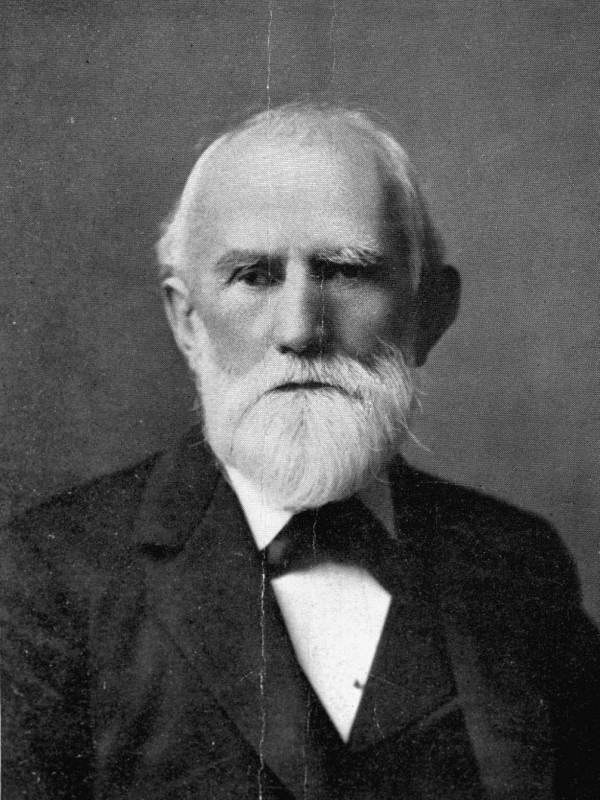
George W. Scott
U.S.A.

Social Media

Personal Background
George W. Scott established his foundational experience through extensive agricultural innovation and business acumen. He experimented with diverse crops and developed a revolutionary fertilizer that combined cottonseed with bone meal, significantly enhancing crop yields. Scott transitioned from agriculture to business, founding the George W. Scott Company, which became renowned for its Gossypium Phospo fertilizer. His ventures in the phosphate industry, including land purchases and backing the Arcadia Phosphate Company, marked a pioneering step in exploiting Florida's natural resources. Scott's contributions extended to philanthropy, notably his substantial donation to the Decatur Female Seminary, which was renamed Agnes Scott College in his mother's honor.
Political Ideas
George W. Scott's political identity is marked by a blend of agricultural innovation and business acumen, underpinned by a strategic focus on regional economic development. His unique approach to environmental regulation through agricultural advancements suggests an ideologically agile stance that balances industrial progress with ecological stewardship. Scott's rhetorical style likely emphasizes self-reliance and local empowerment, as evidenced by his significant contributions to education and regional infrastructure. His legacy reveals a tension between leveraging natural resources for economic gain and fostering sustainable practices.