George W. Towns
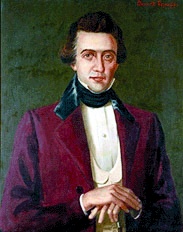
George W. Towns
U.S.A.

Social Media

Personal Background
George W. Towns pursued a preparatory education and later studied law, gaining admission to the Montgomery bar in Alabama. He transitioned from a medical career to law following an injury. Towns established a law practice in Georgia, engaged in local politics, and served as a colonel in the Georgia Militia. He spent over two decades in various political roles, including service in the Georgia House of Representatives, Georgia Senate, and the United States House of Representatives. Towns also served as the 39th Governor of Georgia. His career highlights include advocating for a special election to address the Compromise of 1850.
Political Ideas
George W. Towns's political identity is marked by his steadfast Unionist stance and his strategic use of state conventions to navigate federal compromises, such as the Compromise of 1850. His ideological agility is evident in how he balances regional interests with broader national policies. Towns's approach reveals a nuanced understanding of federalism and state sovereignty, as he sought to empower local voices in interpreting federal legislation. This calculated method of governance hints at an underlying tension between his Unionist principles and a deeply localized policy approach.