Green Clay
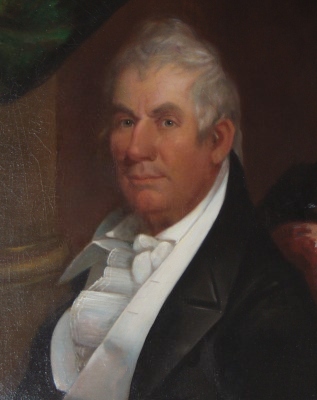
Green Clay
U.S.A.

Social Media

Personal Background
Green Clay spent formative years in Virginia, receiving private education and training as a surveyor. He served in the American Revolutionary War, gaining military experience with both the Virginia Militia and the Continental Army. Clay transitioned to a political and business career in Kentucky, holding various roles including deputy surveyor, state senator, and speaker of the Kentucky Senate. During the War of 1812, he commanded forces at Fort Meigs, Ohio, and later returned to his plantation, where he engaged in tobacco and hemp cultivation.
Political Ideas
Green Clay's political identity is marked by a blend of regional economic development and military leadership, underpinned by a pragmatic approach to governance. His business ventures in distilleries and ferry services reveal a focus on local economic growth, while his military command during the War of 1812 demonstrates a commitment to defense. Notably, Green Clay's support for the adoption of the federal Constitution and his nomination of James Madison for president indicate a strategic alignment with national political figures. However, his reliance on slave labor to cultivate his wealth introduces a complex moral tension, challenging the modern reader to reconcile his progressive political actions with his economic practices.