H. C. Baldridge
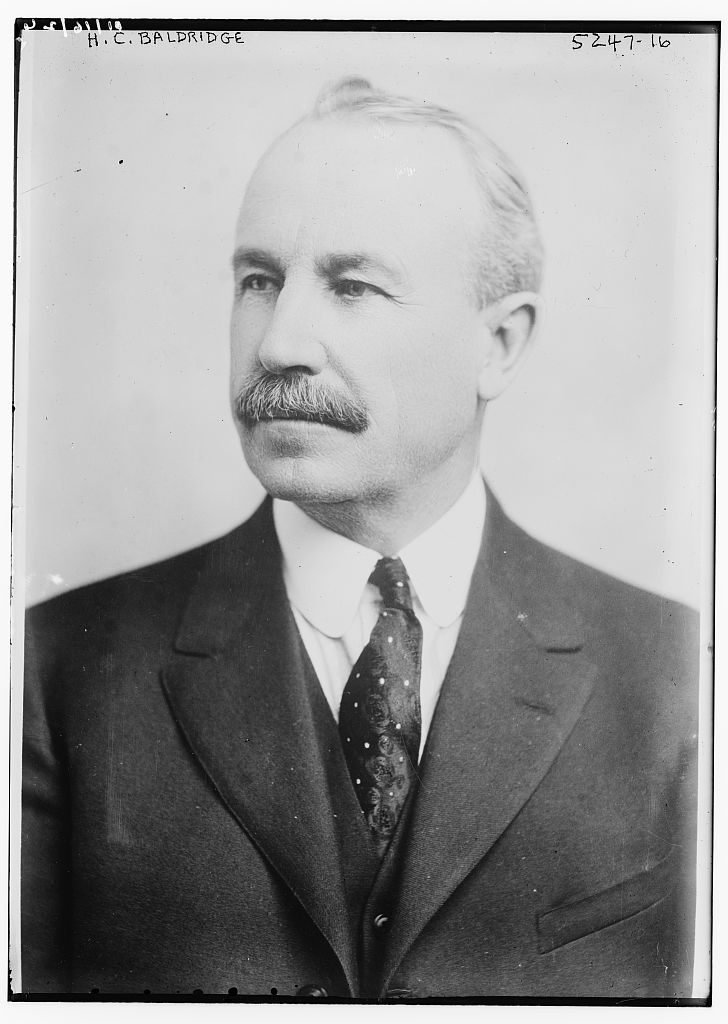
H. C. Baldridge
U.S.A.

Social Media

Personal Background
H. C. Baldridge attended Illinois Wesleyan University and later relocated to Southwestern Idaho, where he worked in the mercantile trade. He entered the Idaho Legislature in 1911 and served a single term in the Idaho Senate in 1913. Baldridge was elected lieutenant governor in 1922 and re-elected in 1924, subsequently being elected governor in 1926 and re-elected in 1928. He left office in 1931 and later served as Commissioner of Charitable Returns from 1943 to 1945.
Political Ideas
H. C. Baldridge's political identity is marked by a tension between his warnings against expansive public building programs and his support for state-funded infrastructure projects like highways and university expansions. This juxtaposition suggests a nuanced approach to state investment, balancing fiscal conservatism with strategic regional development. His rhetorical style likely emphasizes localized benefits and long-term economic stability, though the full reasoning behind these choices remains to be explored.