Harold G. Hoffman
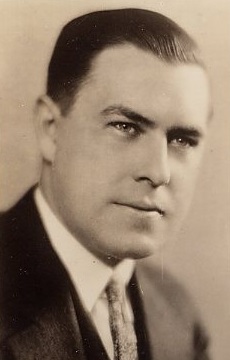
Harold G. Hoffman
U.S.A.

Social Media

Personal Background
Harold G. Hoffman began his career as a local newspaper reporter and later graduated from South Amboy High School. He served in World War I and held various executive roles in finance and business. Hoffman transitioned into public service, winning elected office as an Assemblyman and later serving two terms in the United States House of Representatives. He also served as mayor of South Amboy and as Governor of New Jersey. Hoffman held significant positions in employment and labor, including director of the state Division of Employment Security. His career was marred by allegations of embezzlement and corruption, leading to his suspension and death before charges were substantiated.
Political Ideas
Harold G. Hoffman's political career reveals a complex blend of progressive economic policies and controversial criminal justice decisions. His advocacy for a state sales tax during the Great Depression, despite its unpopularity, suggests an ideological agility that balances fiscal responsibility with populist appeal. Hoffman's involvement in the Bruno Hauptmann case, where he believed Hauptmann was not acting alone and reopened the investigation, highlights a tendency to challenge established narratives. This pattern of operating outside conventional boundaries is further complicated by his admission of embezzling over $300,000, revealing a deeply personal ethical conflict that contrasts sharply with his public persona.