Harold H. Barker
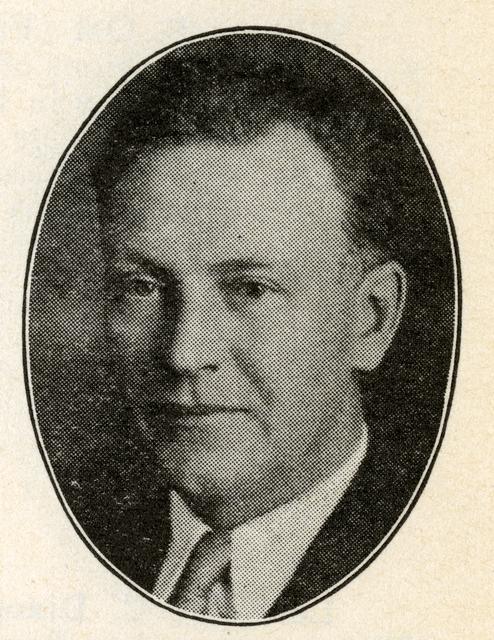
Harold H. Barker
U.S.A.

Social Media

Personal Background
Harold H. Barker was born in 1889 and began his career in public service by being elected to the Minnesota House of Representatives in 1930. He later served as Speaker of the Minnesota House of Representatives until 1939. Barker played a pivotal role in the formation of the Democratic-Farmer-Labor Party (DFL) and became its State Chairman in 1946. He led the left-wing faction within the DFL during its formative years and ran for governor in 1946, although he was unsuccessful. Barker's professional background includes significant experience in legislative leadership and party organization.
Political Ideas
Harold H. Barker champions a distinctive blend of progressive taxation and local business protectionism, advocating for higher corporate taxes on mining firms while simultaneously defending local enterprises against suburban chain stores. Barker's ideological stance is marked by an unexpected convergence with opposing factions on environmental regulations, revealing a highly calculated approach to safeguarding regional industrial interests. His rhetorical style consistently emphasizes the protection of rural communities, as seen in his vocal opposition to underfunded rural schools and his critique of inadequate housing development. Barker's unique positioning within the Democratic-Farmer-Labor Party showcases a left-wing faction leader who balances progressive economic policies with staunch localism.