Heber Manning Wells
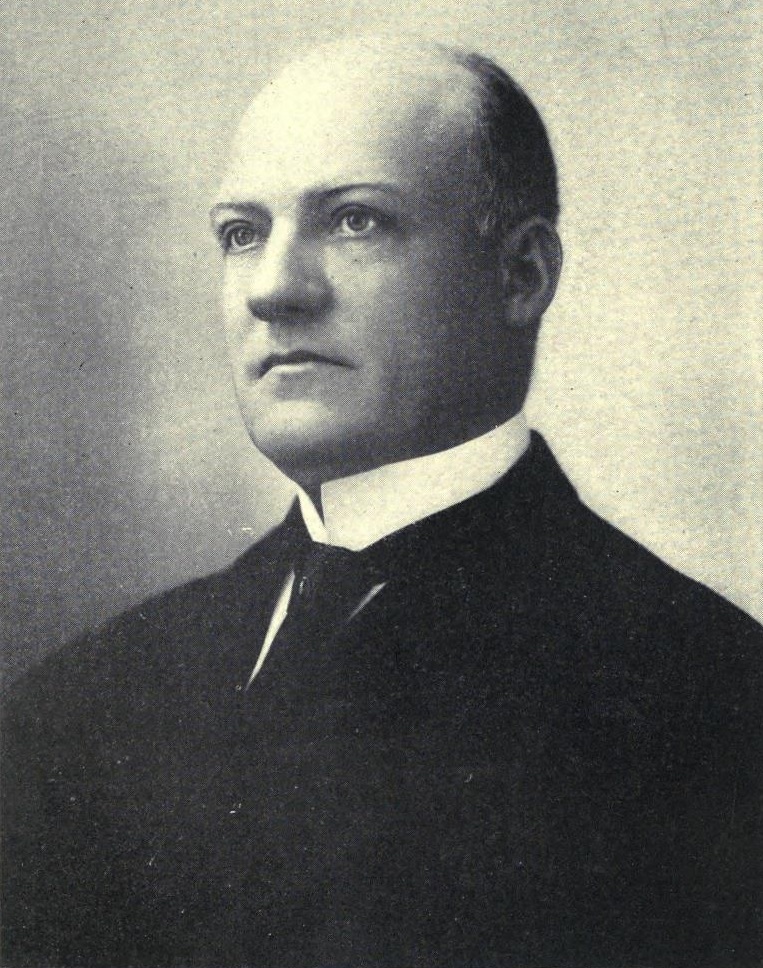
Heber Manning Wells
U.S.A.

Social Media

Personal Background
Heber Manning Wells holds a distinguished background in banking and local government, underpinned by a solid educational foundation. Graduating from the University of Utah, he embarked on a career that included managing risk in banking and holding significant positions in local financial institutions. His leadership roles in civic organizations reflect his commitment to community service. Wells transitioned into politics, where he played a pivotal role in the formation of Utah's state government and enacted critical legislation on irrigation, education, and arts. His professional expertise and leadership capabilities were further demonstrated in his tenure as governor, where he navigated complex issues such as labor strikes and federal land management.
Political Ideas
Heber Manning Wells's political career is marked by an intriguing blend of progressive educational reforms and support for industrial interests. He championed the creation of institutions like the Branch Normal School and the School of Mines, while simultaneously backing policies that facilitated large-scale irrigation and water sales, revealing a calculated approach to balancing regional development with educational advancement. His involvement in the Carbon County Strike highlights a strategic alignment with business interests, even as he advanced gender inclusivity by appointing Emma J. McVicker as the state's first female superintendent of public instruction. This juxtaposition of progressive and industrial policies makes Wells a compelling figure for further exploration.