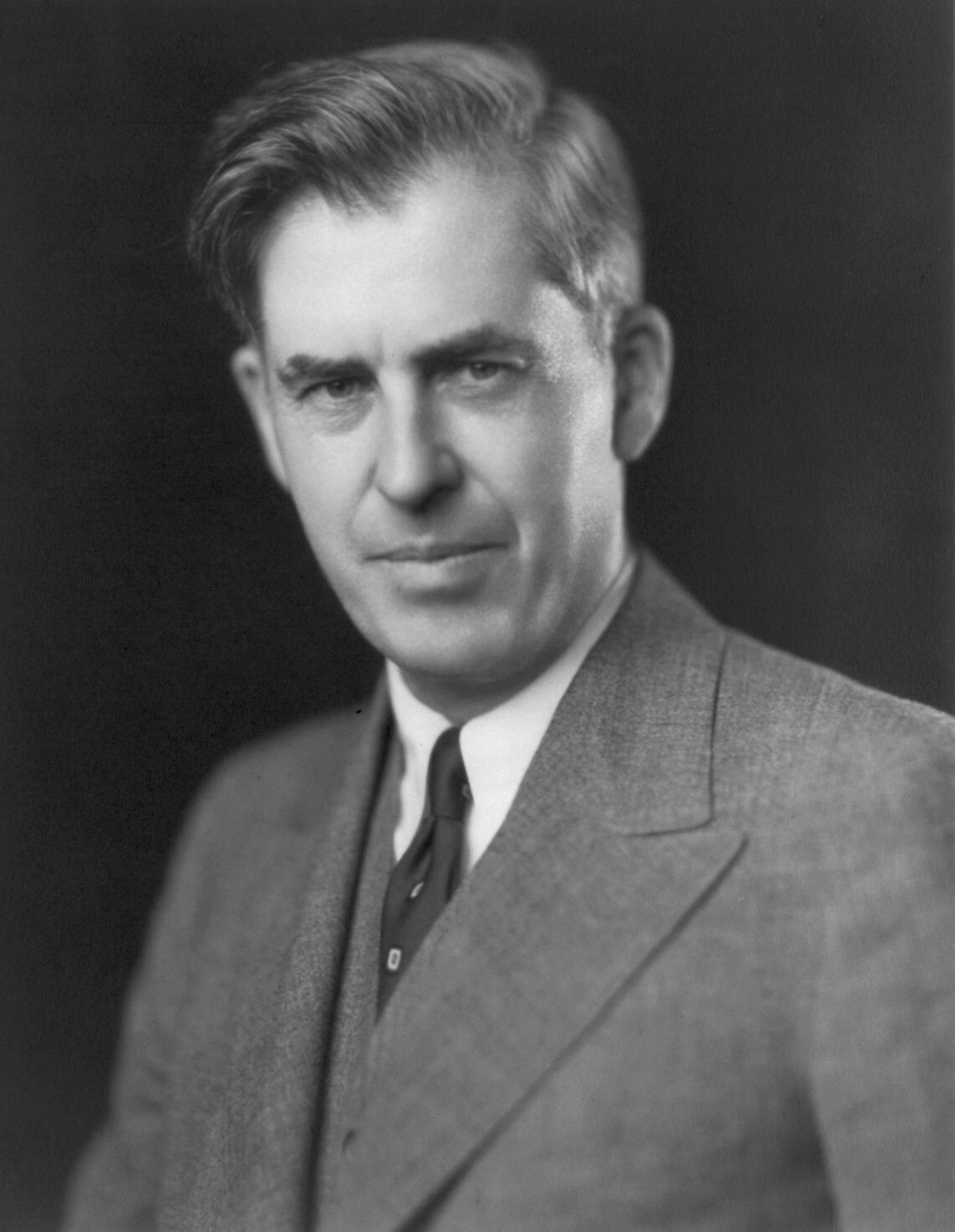
U.S.A.
Henry A. Wallace established himself as a prominent figure in agriculture and public policy through a combination of practical farming experience and academic pursuits. He graduated from a state college with a focus on animal husbandry and later became a full-time writer and editor for a family agricultural newspaper. Wallace transitioned into hybrid corn production, co-founding a seed company and achieving significant industry milestones. His early political involvement included advocating for government intervention in agricultural markets and supporting progressive farm relief legislation. As Secretary of Agriculture, Wallace played a key role in New Deal policies, including the establishment of the Agricultural Adjustment Administration and the passage of several farm relief acts. He later served as Secretary of Commerce, where he promoted a balanced economic approach and helped pass the Atomic Energy Act. Wallace's later political career included a third-party presidential campaign advocating for progressive social policies and a cautious foreign policy stance.
Henry A. Wallace's political identity is marked by an intriguing blend of progressive social policies and a cautious internationalist stance. He consistently advocated for government intervention in agriculture to stabilize prices and support farmers, yet he diverged from his contemporaries by promoting a conciliatory approach toward the Soviet Union. Wallace's rhetorical style often highlighted a middle path in economic policy, balancing elements of both planned and free-market systems. His support for desegregation and gender equality, coupled with his advocacy for public ownership of utilities, reveals a progressive vision that defies simple categorization.
