Henry C. Warmoth
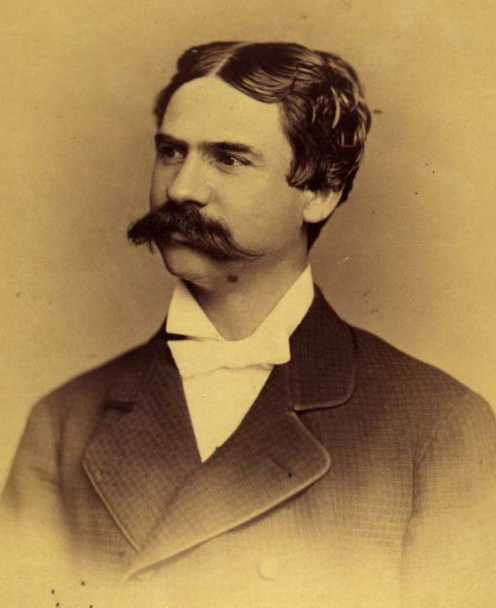
Henry C. Warmoth
U.S.A.

Social Media

Personal Background
Henry C. Warmoth studied in Illinois and was admitted to the Missouri bar in the early 1860s. He served in the Civil War, rising to lieutenant colonel, and was involved in significant military campaigns. Post-war, he resumed his legal career and transitioned into politics, becoming an active Republican and gaining support among freedmen. He established a sugar refinery and represented the Sugar Planters Association, later traveling abroad to study sugar industries.
Political Ideas
Henry C. Warmoth's political identity is marked by an ideological agility that balances progressive civil rights advocacy with economic protectionism. His support for full suffrage and the Fourteenth Amendment during Reconstruction contrasts with his later promotion of tariffs to shield local sugar planters. Warmoth's opposition to the "grandfather clause" reveals a commitment to civil rights, yet his economic policies suggest a pragmatic approach to protecting regional industries. His strategic framing of issues often juxtaposes moral imperatives with economic self-interest, creating a nuanced political stance that invites deeper inquiry.