Henry Chamberlain
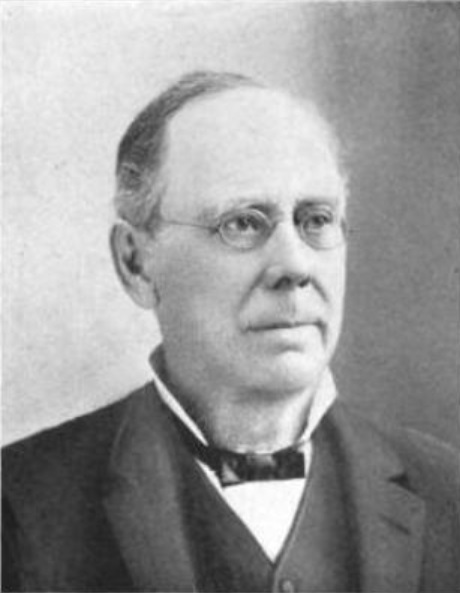
Henry Chamberlain
U.S.A.

Social Media

Personal Background
Henry Chamberlain began his career in farming, starting with his family in Three Oaks, Michigan, in 1836. He established his own farm in 1850 and later entered public service, serving briefly in the Michigan House of Representatives. Chamberlain pursued a political career within the Democratic Party, including nominations for the Michigan gubernatorial election and delegate roles in national conventions. He also held leadership roles in fraternal organizations, serving as Grand Master of the Freemasons in 1872.
Political Ideas
Henry Chamberlain's political identity is marked by a steadfast commitment to agricultural development and regional economic interests. His ideological positioning within the Democratic Party showcases a blend of localism and strategic alliances, as seen in his unexpected support for certain environmental regulations that benefit regional industries. Chamberlain's rhetorical style emphasizes the importance of community and self-sufficiency, often framing policy discussions in terms of local impact and long-term sustainability. His legislative record reveals a calculated approach to balancing national party lines with localized economic needs, raising questions about the extent of his ideological flexibility.