Henry Dutton
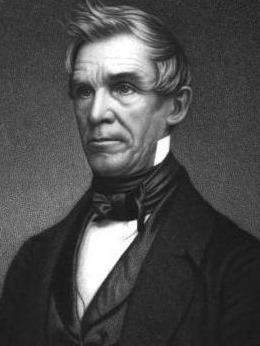
Henry Dutton
U.S.A.
Social Media

Personal Background
Henry Dutton graduated from Yale University in 1818 and subsequently tutored there while studying law. He was admitted to the bar in 1823 and held various positions in education and public service, including serving multiple terms in the Connecticut House of Representatives. Dutton transitioned to the private sector before returning to public service as a professor of law at Yale and a member of the Connecticut Senate. He gained significant experience in governance, including enacting the Kansas-Nebraska Bill and a prohibition law during his term as Governor of Connecticut.
Political Ideas
Henry Dutton's political career is marked by an intriguing blend of ideological positions, most notably his support for the Kansas-Nebraska Bill and a prohibition law during his governorship. Dutton's tenure reveals a highly localized approach to policymaking, balancing national legislative initiatives with strict regional laws. His educational background and long-standing affiliation with Yale further underscore a deeply intellectual yet pragmatic stance on governance. This juxtaposition of progressive federal policies with conservative state laws invites questions about the consistency and motivations behind Dutton's political philosophy.