Henry H. Blood
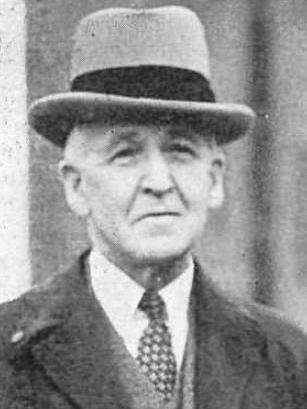
Henry H. Blood
U.S.A.

Social Media

Personal Background
Henry H. Blood holds a robust background in public service and business, beginning with early roles in local government and culminating in a tenure as governor. Educated at Brigham Young Academy, he engaged in various local leadership roles, including serving as Recorder of Kaysville and Davis County Treasurer. Blood's career transitioned from local governance to business leadership, where he managed milling companies and later became president of a combined milling enterprise. His public service extended to multiple state boards and commissions, where he was elected chairman in 1925. As governor, he implemented fiscally conservative policies and supported New Deal initiatives, addressing both economic and environmental challenges faced by Utah.
Political Ideas
Henry H. Blood's political identity is marked by a blend of fiscal conservatism and progressive pragmatism. His tenure as governor saw him adopt New Deal principles while simultaneously cutting state expenditures, revealing a calculated approach to economic management. Blood's support for vocational education programs and public works projects contrasts with his vetoes on certain educational and housing initiatives, highlighting a nuanced stance on social welfare. His handling of Utah's severe drought and the Great Depression further underscores a strategic, issue-specific policy approach.