Henry H. Crapo
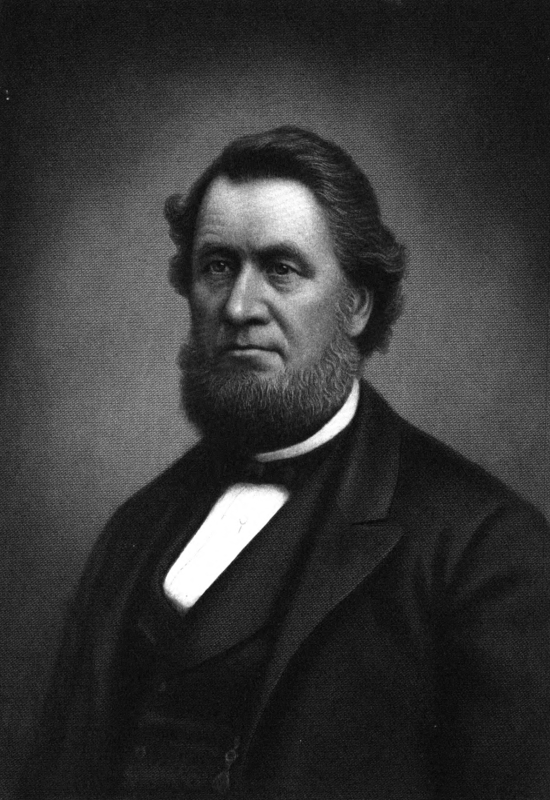
Henry H. Crapo
U.S.A.

Social Media

Personal Background
Henry H. Crapo exhibited a diverse range of professional expertise, beginning with roles in land surveying, auctioneering, and the whaling business. He held various municipal positions in New Bedford, including Town Clerk, Treasurer, and Collector of taxes, before making significant contributions to public education. Crapo transitioned to the lumber industry in Michigan, where he established a prominent lumber business and served as Mayor of Flint. His political career culminated in two terms as Governor of Michigan, during which he focused on infrastructure and economic development. Crapo's legacy includes notable family connections to prominent figures in law, politics, and industry.
Political Ideas
Henry H. Crapo's political identity is marked by a blend of progressive economic initiatives and conservative judicial decisions. His advocacy for infrastructure and the lumber industry juxtaposes with his controversial rulings on racial segregation, which were later overturned. Crapo's commitment to education is evident in his efforts to establish the first free public library in Massachusetts, yet his personal stances on civil rights reveal a complex ideological landscape. This tension between progressive economic policies and regressive social views invites deeper inquiry into his justifications and motivations.