Henry Huntly Haight
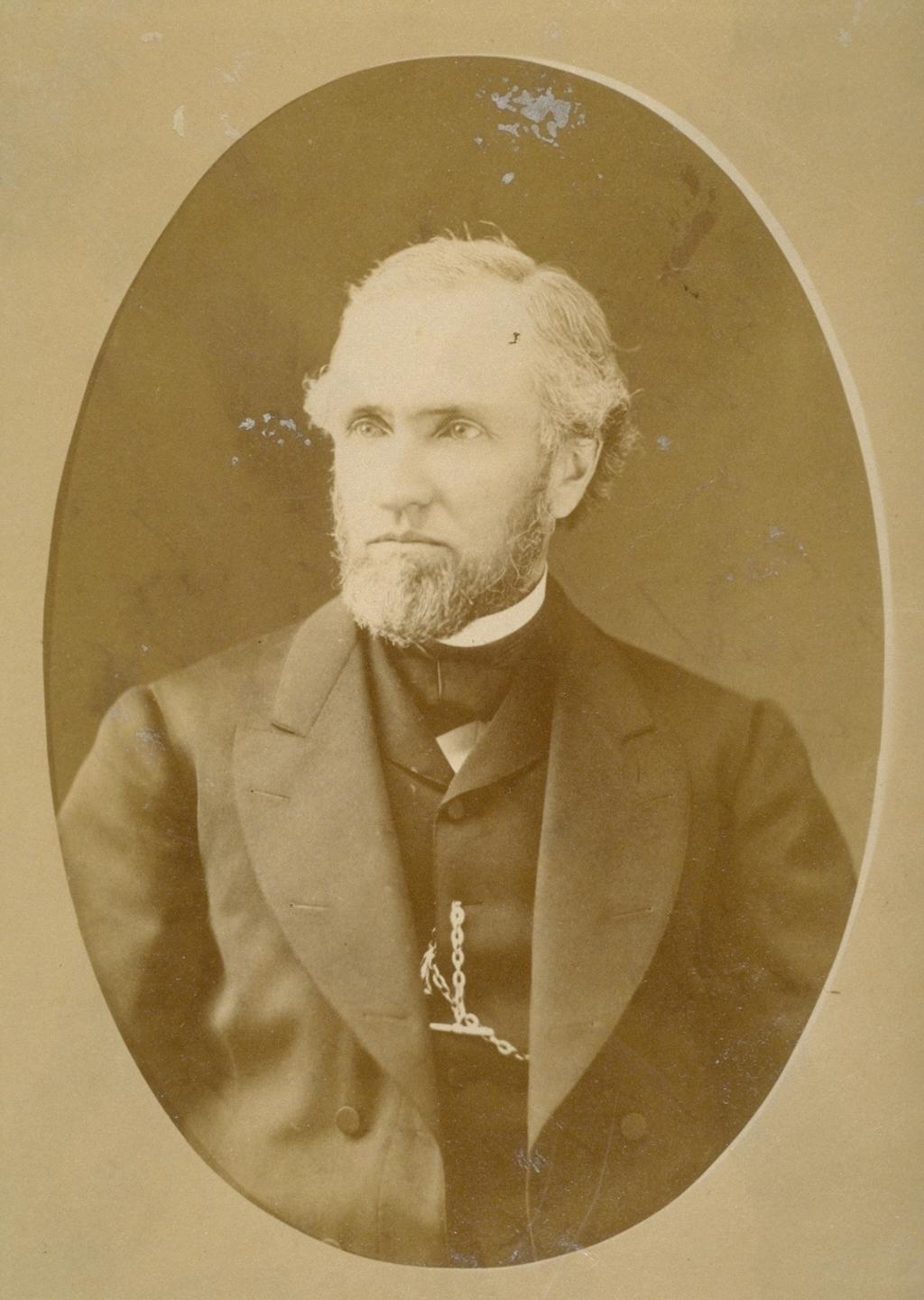
Henry Huntly Haight
U.S.A.

Social Media

Personal Background
Henry Huntly Haight exhibited a robust commitment to public service, beginning with his tenure as governor. Following his governorship, he returned to Alameda, where he contributed significantly to local governance, serving on the City of Alameda's Board of Trustees and acting as its first president. His dedication to public service extended to the University of California, where he served on the Board of Regents. Haight also played a pivotal role in shaping state governance, participating in a state Constitutional Convention. His legacy is marked by various memorials and honors, including a portrait at the State Capitol and the Alameda Museum, and a street named in his honor in Alameda.
Political Ideas
Henry Huntly Haight's political career is marked by a blend of local governance and broader state influence, suggesting a deeply rooted commitment to regional issues. His strategic philosophy appears to balance traditional values with progressive governance, as evidenced by his involvement in both local and state-level institutions. Haight's rhetorical style likely emphasizes community and local identity, given his prominent roles in Alameda. An intriguing tension in his political identity is the convergence of his environmental and industrial policy stances, hinting at a calculated approach to balancing economic and ecological interests. This juxtaposition invites further exploration into how Haight reconciles these seemingly opposing priorities.