Henry L. Whitfield
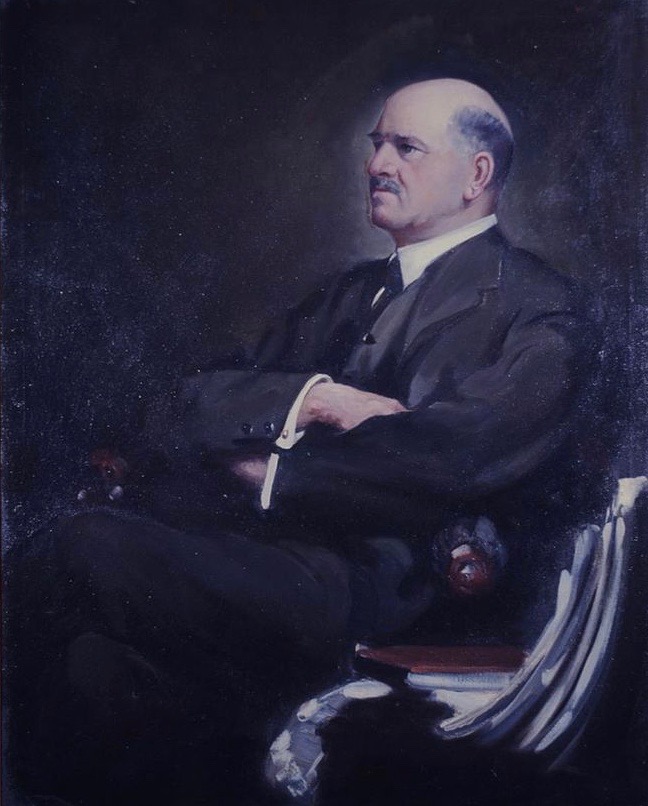
Henry L. Whitfield
U.S.A.

Social Media

Personal Background
Henry L. Whitfield began his career at a young age, teaching from the age of sixteen. He later earned a teaching degree and was appointed state superintendent of education, a position he held for multiple terms. Whitfield transitioned to higher education administration, serving as president of an industrial institute and college. His career culminated in his election as governor, where he focused on improving mental health care, public education, and economic conditions for African Americans. His tenure was marked by progressive views for his time, emphasizing the importance of inclusivity and equal treatment in economic and social reforms.
Political Ideas
Henry L. Whitfield's political identity is marked by an intriguing blend of progressive racial views and a focus on economic pragmatism within the context of the South in the 1920s. He advocated for improving conditions for African Americans, including better working and living conditions, and equal treatment in business and courts, which was relatively advanced for his time and region. Yet, his stance on banning the teaching of evolution in public schools and emphasizing manual training for African Americans reveals a complex approach to racial progress. Whitfield's rhetoric underscores a calculated strategy to retain African Americans in the South by competing with northern employers, suggesting a nuanced understanding of regional economic dynamics.