Henry Laurens
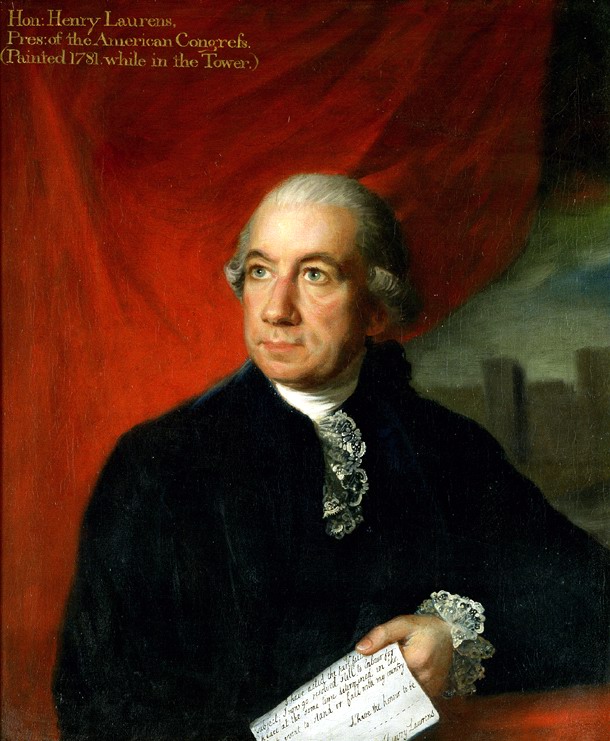
Henry Laurens
U.S.A.

Social Media

Personal Background
Henry Laurens was born into a Huguenot family that fled France in 1685, with his grandfather settling in New York City and Charleston, South Carolina. He received business training in London and inherited a considerable estate at age 23. Laurens served in the militia during the French and Indian War, rising to the rank of lieutenant colonel, and was elected to South Carolina's colonial assembly in 1757. He transitioned to the public sector, holding various leadership roles in the Continental Congress, including serving as its president from November 1, 1777, to December 9, 1778. Laurens also undertook a diplomatic mission to the Dutch Republic, negotiating crucial support for the American war effort.
Political Ideas
Henry Laurens navigates a complex ideological landscape, blending a pragmatic approach to economic matters with a more idealistic stance on diplomacy. His willingness to enlist and free slaves for the war effort contrasts sharply with his personal reluctance to emancipate his own slaves, showcasing a nuanced approach to human rights. Laurens's diplomatic career, marked by successful negotiations with the Dutch and pivotal roles in peace talks, reveals a strategic mind adept at leveraging international alliances. His shifting stance on reconciliation with Great Britain highlights an adaptable political strategy, driven by evolving circumstances and regional interests.