Henry S. Lane
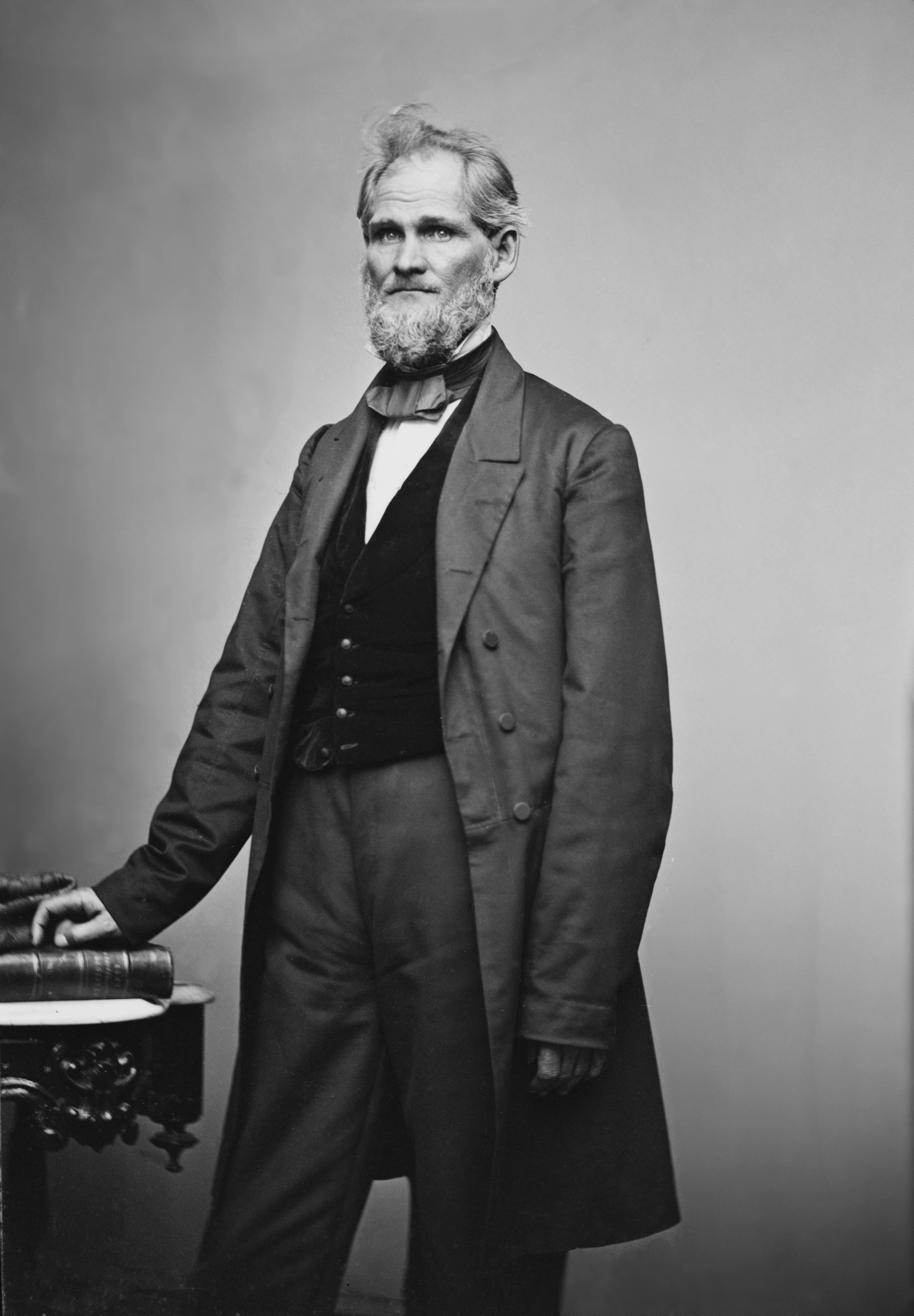
Henry S. Lane
U.S.A.

Social Media

Personal Background
Henry S. Lane began his career in banking in Crawfordsville, Indiana, before becoming a prominent figure in the Know Nothing Party. He transitioned to the Republican Party and played a significant role in its early conventions. Despite not being accepted by the Senate after his election in 1856, he became a full-fledged abolitionist following the repeal of the Missouri Compromise. Lane later served as a special Indian commissioner and was appointed by President Ulysses S. Grant to oversee improvements to the Mississippi River.
Political Ideas
Henry S. Lane's political journey reveals a complex ideological evolution, starting with his involvement in the Know Nothing Party before transitioning to a pivotal role in the founding of the Republican Party. His unexpected shift from supporting compromises on slavery to becoming a full-fledged abolitionist after the repeal of the Missouri Compromise highlights a calculated recalibration of his stance. Lane's engagement in banking and his later role in improving the Mississippi River showcase a pragmatic yet strategically localized approach to economic issues. His tenure as a special Indian commissioner further underscores a nuanced engagement with minority rights, blending policy with a sense of regional responsibility.